The tap lines connecting Canadian craft breweries with sports betting platforms represent one of the industry’s most controversial shifts in recent memory. From coast to coast, independent breweries that built their reputations on community values and local authenticity are now partnering with gambling operators like 73 bet apostas and similar platforms, creating partnerships that many enthusiasts find jarring against craft beer’s grassroots ethos.
These collaborations extend beyond simple advertising arrangements. Breweries are creating branded betting lounges, developing specialty beers for gaming events, and integrating sports wagering promotions directly into taproom experiences. What makes these partnerships particularly noteworthy is their rapid proliferation across breweries of all sizes, from established regional producers to neighbourhood nanobreweries that previously prided themselves on minimal commercial entanglements.
The movement raises fundamental questions about craft beer’s evolving identity. For an industry that distinguished itself through community connection, ingredient transparency, and supporting local values, the embrace of an entertainment sector associated with addiction concerns and aggressive marketing tactics feels dissonant to many longtime supporters. Yet brewery owners cite economic pressures, changing consumer preferences, and survival imperatives in an increasingly competitive market.
Understanding this trend requires examining the specific partnerships taking shape, the financial realities driving brewery decisions, and the community conversations unfolding in taprooms where patrons now encounter QR codes for live betting alongside flight paddles and brewery tours.
The New Playing Field: Why Craft Breweries Are Entering the Sports Betting Arena

The Regulatory Green Light That Changed Everything
The craft beer landscape in Canada transformed dramatically in August 2021 when federal legislation amended the Criminal Code, allowing provinces to regulate single-event sports betting for the first time. Previously, Canadians could only legally wager on parlay bets involving multiple games—a restriction that had pushed billions of dollars toward offshore platforms and grey-market operators.
This regulatory shift opened floodgates for legitimate sports betting platforms to establish themselves across the country, and with them came an unprecedented appetite for partnerships with homegrown brands. Provincial regulators began issuing licenses throughout 2022, creating a gold rush atmosphere as betting companies sought authentic Canadian voices to connect with their new audiences.
For craft breweries—already masters of community engagement and grassroots marketing—the timing couldn’t have been more opportune. These platforms needed partners who understood local sports culture and could speak credibly to fans gathering in taprooms and watching games together. The intersection of craft beer and sports fandom created natural synergies, with breweries offering exactly what betting companies craved: established community trust, passionate followings, and venues where sports enthusiasts already congregated. What emerged was a partnership model that would reshape how independent breweries approached marketing and revenue generation.
Following the Audience: Sports Fans and Craft Beer Lovers
The convergence of craft beer culture and sports fandom isn’t accidental—it’s a carefully observed demographic sweet spot that breweries and betting platforms have identified with remarkable precision. Walk into any craft brewery taproom during a playoff game, and you’ll witness this overlap firsthand: passionate fans debating play strategies over pints of hazy IPA, friends gathering to watch hometown teams while sampling seasonal releases, the communal energy that both craft beer and sports naturally cultivate.
Behind the scenes, breweries recognize that their customer base skews heavily toward sports enthusiasts. Industry research consistently shows that craft beer drinkers are more likely to follow professional sports, attend live games, and engage with sports content than the general population. This demographic reality, combined with the economic impact of craft brewing, makes partnerships with betting platforms seem like natural extensions of existing customer interests.
Brewery owners often cite the social nature of both activities—enjoying craft beer and watching sports—as evidence their communities will embrace these partnerships. The shared values of camaraderie, local pride, and communal experiences create what marketers call “lifestyle alignment.” However, this demographic overlap raises important questions about whether commercial opportunity should automatically translate into partnership decisions, particularly when the activity being promoted carries different risks than enjoying a well-crafted lager with friends.
Notable Partnerships Brewing Across Canada
Taproom Takeovers and Viewing Parties
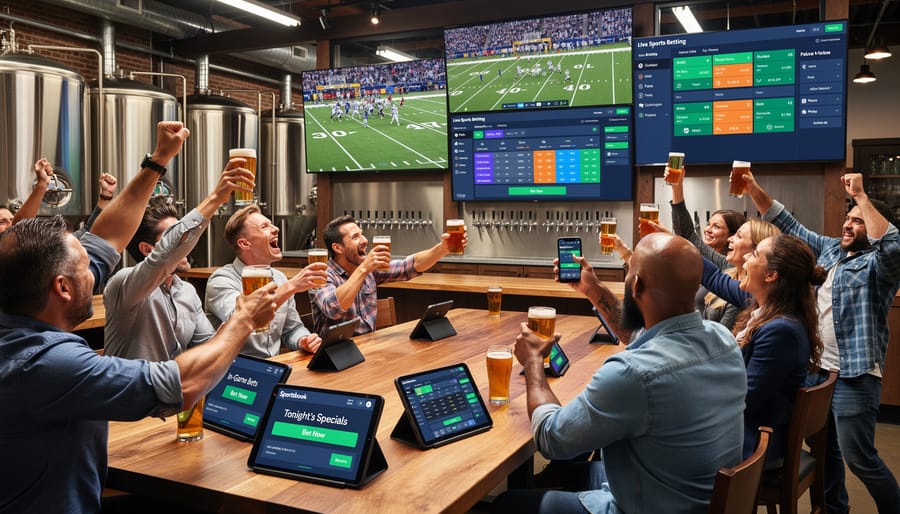
The taproom experience is evolving as Canadian craft breweries experiment with sports betting-themed events that blend their traditional community gathering spaces with the excitement of wagering culture. Across the country, breweries are hosting viewing parties for major sporting events where patrons can access betting platforms through dedicated kiosks or QR codes positioned throughout the venue, creating an integrated entertainment experience that goes beyond simply watching the game with a pint in hand.
These takeover events often feature special beer releases timed to coincide with playoff seasons or championship games, with some breweries crafting limited-edition brews named after betting terminology or popular sports moments. The atmosphere transforms taprooms into miniature sportsbooks, complete with multiple screens displaying live odds alongside game broadcasts, while maintaining the warm, social environment craft beer fans cherish.
Behind the scenes, brewery owners report that these partnerships provide additional revenue streams through hosting fees and increased foot traffic during traditionally slower periods. However, the integration raises questions about whether the community-focused taproom experience—long celebrated as craft beer’s answer to corporate bar culture—is being fundamentally altered. Some breweries are finding creative middle ground by hosting responsible gaming workshops alongside their viewing parties, acknowledging both the entertainment value and potential concerns within their loyal customer base.
Limited Edition Brews and Cross-Promotions
The crossover between craft brewing and sports betting has sparked some genuinely creative collaborations that generate excitement across both communities. Several Canadian breweries have launched limited-edition seasonal releases timed perfectly with major sporting events, creating collectible moments for beer enthusiasts and sports fans alike.
These special brews often feature playful names referencing betting terminology or specific sporting moments, with custom label artwork that becomes conversation pieces. One Ontario brewery, for example, created a “Long Shot Lager” series during playoff season, with packaging featuring odds-inspired graphics that resonated with both craft beer collectors and sports enthusiasts. The limited availability creates natural scarcity that drives demand, while the thematic connection to betting platforms provides marketing reach into new audience segments.
Behind the scenes, these partnerships typically involve collaborative brainstorming sessions where brewmasters work alongside marketing teams to develop recipes and branding that authentically represent both partners. The best examples maintain the brewery’s creative integrity while acknowledging the commercial relationship transparently. These releases often sell out quickly at taprooms, generating social media buzz and introducing betting platform customers to the wider world of craft beer. However, the community response remains mixed, with some appreciating the creativity and cross-pollination of audiences, while others question whether these promotions align with craft brewing’s traditional values around responsible consumption and community-first priorities.
Digital Integration: Apps, QR Codes, and Brewery Loyalty Programs
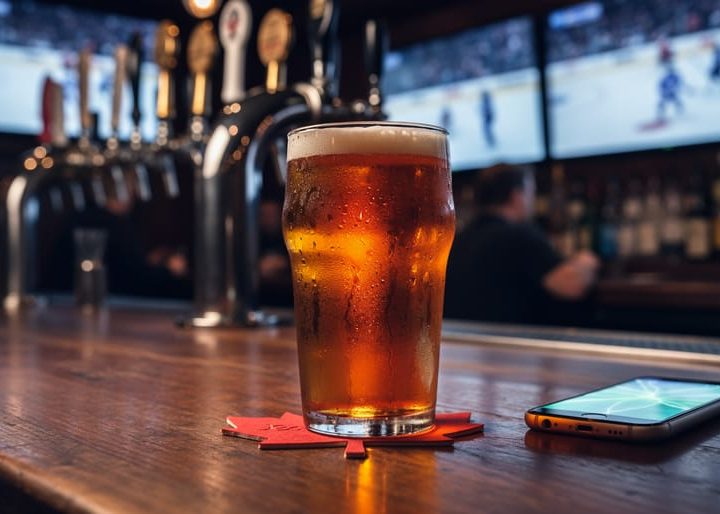
The technological backbone of these partnerships reveals sophisticated integration strategies that blend seamlessly into existing brewery ecosystems. Many Canadian craft breweries are incorporating sports betting platforms directly into their mobile apps, creating a unified experience where customers can check taproom hours, order merchandise, and access betting promotions through a single interface. QR codes prominently displayed on coasters, tabletops, and menus offer immediate gateways to betting platforms, often sweetened with exclusive bonuses for brewery patrons.
Behind the scenes, these partnerships leverage customer data to create personalized experiences. Loyalty programs are being reimagined, with some breweries offering points not just for pints purchased but for betting activity during live sporting events in their taprooms. This raises important questions about data sharing and customer privacy that the craft beer community is actively discussing. The technology enables real-time promotions, like special beer releases timed with major games, creating synchronized experiences that benefit both partners while fundamentally changing how breweries engage with their most dedicated supporters.
What’s in the Glass: The Community Perspective
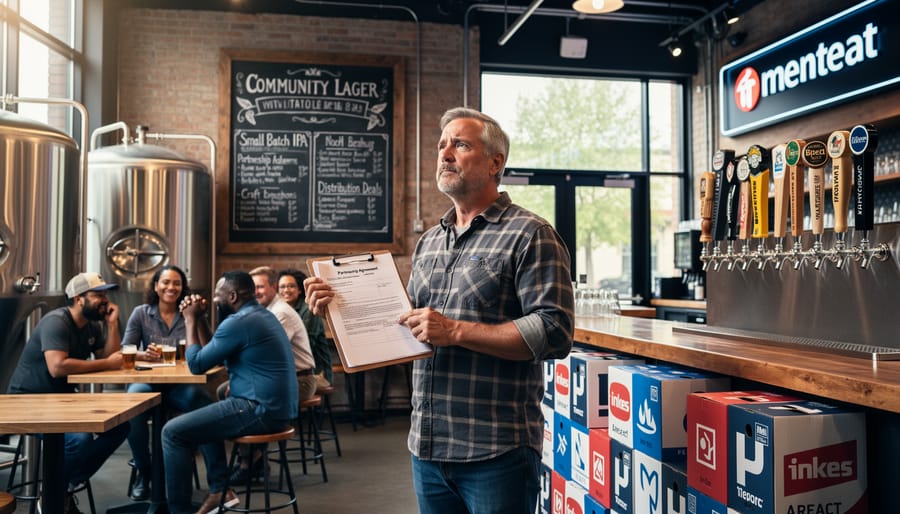
Voices from the Taproom: Brewers Weigh In
We reached out to several brewery owners across Canada to understand their perspective on these emerging partnerships, and their responses reveal the complex considerations behind these decisions.
“It’s honestly a conversation we’ve been having in our taproom for months,” shares Marcus Chen, co-founder of a mid-sized brewery in Ontario. “On one hand, these partnerships offer significant marketing reach and revenue streams that can help us expand our community programs and sustainability initiatives. On the other, we’re acutely aware that our customers chose craft beer partly because we represent something different from corporate culture.”
For Chen and many of his peers, the decision-making process involves extensive community consultation. “We surveyed our taproom regulars, talked to our staff, and even held an open forum. The feedback wasn’t unanimous, but most people understood that strategic partnerships—when done thoughtfully—don’t compromise our values.”
Sarah Bergeron, brewmaster at a Quebec-based operation, takes a cautious approach. “We’ve declined two offers so far. The money was tempting, but the platforms didn’t align with our brand story. If we ever move forward, it needs to feel authentic, not like we’re just chasing dollars.”
Several brewers emphasized their commitment to responsible messaging. “Any partnership we consider must include clear responsible gambling messaging and support for addiction resources,” notes Chen. “That’s non-negotiable. Our craft beer community values transparency and social responsibility, and we won’t sacrifice that for short-term gains.”
The Consumer Response: Cheers or Concerns?
The craft beer community’s reaction to these sports betting partnerships has been decidedly mixed, revealing tensions between commercial opportunity and cultural identity. While some beer enthusiasts view these collaborations as a natural evolution in brewery marketing—no different than sponsoring local sports teams or music festivals—others express genuine unease about the alignment.
Among longtime supporters, concerns center on brand authenticity. Craft breweries built their reputations on community connections, local ingredients, and independence from big corporate influences. When a beloved neighborhood taproom suddenly displays gambling odds on screens or promotes betting apps, it can feel jarring to patrons who valued that brewery’s grassroots ethos rooted in Canadian craft beer history.
Social media conversations reveal particular worry about problem gambling associations. Several brewery Instagram posts announcing betting partnerships have drawn comments from customers expressing disappointment, asking whether the financial benefits justify potential social harm. Others question whether these deals might alienate family-friendly audiences who frequent brewery patios and events.
However, pragmatic voices within the community acknowledge the financial pressures breweries face. Rising ingredient costs, increased competition, and post-pandemic recovery challenges mean partnerships offering significant revenue can help sustain operations and keep taps flowing. For many enthusiasts, the verdict depends on execution—how prominently gambling is promoted and whether community values remain central.
The Responsibility Question: Navigating Two Industries with Social Impact
Crafting Responsible Messaging
Navigating these partnerships requires breweries to walk a careful line, balancing commercial opportunities with their commitment to community wellbeing. Forward-thinking craft breweries are establishing clear guidelines that ensure both responsible consumption and responsible gambling messages remain front and center in any co-branded content.
Many breweries insist on creative control over marketing materials, ensuring that promotional campaigns emphasize social enjoyment rather than excessive consumption of either product. Some partnerships include mandatory responsible gaming messaging in all advertisements, while others donate a portion of proceeds to addiction support services. Behind the scenes, brewery marketing teams work closely with legal advisors to ensure compliance with both alcohol and gambling advertising regulations, which vary significantly across provinces.
Several craft breweries have implemented internal policies requiring that sports betting partnerships never target vulnerable populations or appear in spaces frequented by minors. This thoughtful approach reflects the craft beer community’s broader values around sustainability and social responsibility, demonstrating that growth doesn’t have to come at the expense of ethical standards. The key lies in transparency and maintaining open dialogue with their customer base about these evolving partnerships.
Community Impact and Local Values
The partnership landscape raises important questions for those of us who’ve long championed craft brewing’s deep roots in community connection. Traditionally, independent breweries have built their reputations on supporting local causes, sponsoring youth sports leagues, hosting charity events, and creating gathering spaces that strengthen neighborhood bonds. These values have distinguished craft beer from larger commercial operations, fostering fierce customer loyalty that extends beyond the liquid in the glass.
Sports betting platforms, however, occupy contested territory in many communities. While some view them as entertainment options generating tax revenue, others express concerns about gambling addiction, financial hardship, and social costs that disproportionately affect vulnerable populations. This creates tension when breweries known for supporting food banks and environmental initiatives suddenly promote wagering services.
Several brewers have addressed this dissonance by emphasizing responsible gaming messaging and contributing partnership proceeds to community programs. Others have opted out entirely, prioritizing alignment with their established values over revenue opportunities. The conversations happening in taprooms and online forums reveal a community grappling with whether financial sustainability and traditional ethics can coexist in these arrangements, or if something fundamental shifts when craft brewing enters the betting space.
What This Means for the Future of Craft Brewing Culture
This emerging partnership landscape reveals something profound about where Canadian craft brewing culture stands today. Rather than viewing these collaborations as either purely opportunistic or completely transformative, we’re witnessing something more nuanced—a sign of an industry finding its footing in an increasingly competitive marketplace.
The reality is that craft breweries operate in a fundamentally different economic environment than they did even five years ago. Market saturation, rising ingredient costs, and shifting consumer spending patterns have created business challenges facing breweries that demand creative solutions. Sports betting partnerships represent one avenue for securing the revenue stability that allows breweries to continue focusing on what matters most: brewing exceptional beer and nurturing community connections.
What’s fascinating is how these partnerships mirror broader patterns in craft brewing’s evolution. Just as breweries have embraced taproom expansions, festival sponsorships, and collaborations with restaurants, these sports betting arrangements reflect a pragmatic willingness to explore new revenue streams without abandoning core values. The key distinction lies in execution—breweries that maintain transparency with their communities and ensure partnerships align with responsible practices are finding acceptance, while those that feel purely transactional face skepticism.
This isn’t likely a temporary trend, but rather part of craft brewing’s ongoing maturation. As the industry moves beyond its scrappy startup phase, breweries are becoming more sophisticated businesses while striving to preserve the authenticity that built their reputations. The most successful will be those that navigate this balance thoughtfully, using partnerships to strengthen rather than replace their community foundations.
Ultimately, these collaborations signal that craft brewing culture is resilient enough to adapt without losing its soul. The breweries threading this needle carefully are showing us that growth and authenticity aren’t mutually exclusive—they’re companions on the journey toward a sustainable craft beer future.
The partnerships between Canadian craft breweries and sports betting platforms represent a fascinating intersection of tradition, innovation, and community values that deserves our thoughtful attention. As we’ve explored throughout this discussion, these relationships aren’t simply black and white business decisions. They’re layered with financial pressures facing independent breweries, shifting consumer behaviors, regulatory complexities, and deeply held community concerns about gambling normalization.
What’s clear is that craft beer culture has always thrived on authenticity and connection to place. The breweries we champion aren’t faceless corporations but neighbors, friends, and integral parts of our local fabric. When these valued community members enter partnerships that raise eyebrows or spark debate, it’s not just their decision to make in isolation. It’s a conversation that involves all of us who fill their taprooms, buy their four-packs, and champion their success.
Rather than rushing to judgment either way, the healthiest path forward involves staying informed, asking questions, and engaging in respectful dialogue. Reach out to your favorite breweries to understand their reasoning. Attend town halls or community meetings. Share your perspectives thoughtfully. These conversations, sometimes uncomfortable but always necessary, are what keep craft beer culture vibrant and accountable.
The future of Canadian craft brewing will be shaped not just by market forces and regulatory frameworks, but by the collective voices of enthusiasts like you who care deeply about preserving what makes these breweries special while acknowledging the realities they face.