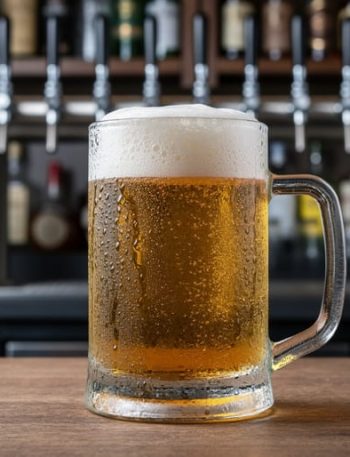
Frosty beer mug with condensation and a golden lager pour on a wooden bar, with out-of-focus beer taps and bottles in the background.

Beer Statistics in Canada: Understanding the 2024-2025 Sales Decline

Canada’s beer market pulled back in 2024-2025, with sales dropping 1.6 percent to $9.1 billion and volume declining 3.8 percent, according to Statistics Canada. These aren’t just numbers on a spreadsheet. They represent shifting consumer habits, evolving retail landscapes, and growing pains for an industry navigating post-pandemic realities.
The decline marks a continuation of earlier trends. Regular Canadian beer sales hit 665.4 million litres in 2023/2024, down 3.4 percent from the previous year and 9.9 percent lower in revenue compared to that same period. South of the border, similar patterns emerged: U.S. beer …

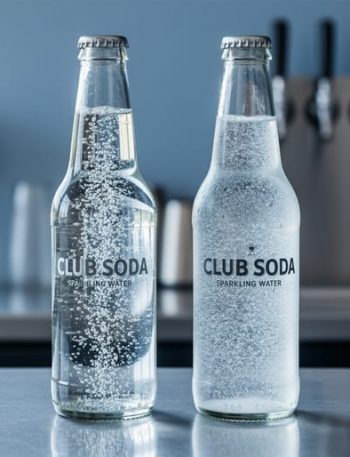
Two clear bottles of carbonated beverages—club soda and sparkling water—on a bar counter with bubbles rising.

Club Soda vs. Sparkling Water: Key Differences and Which Fits Your Needs

No, club soda and sparkling water aren’t the same, and the difference matters most when you’re crafting cocktails, building a brewery menu, or choosing the right base for your next homebrew experiment. Club soda contains added minerals like potassium bicarbonate and potassium sulfate, plus occasional sodium bicarbonate for taste, while sparkling water is simply natural water infused with carbon dioxide and nothing else.
For craft beverage enthusiasts, this distinction goes beyond semantics. The mineral additions in club soda create a slightly salty, more pronounced flavor profile that can enhance certain beer cocktails …

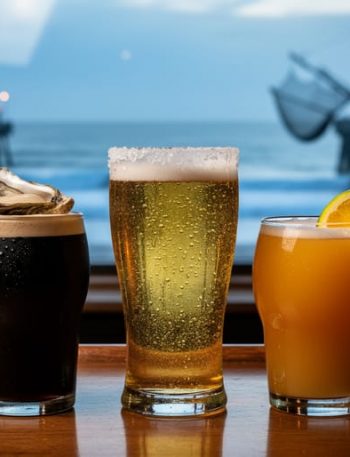
Coastal bar counter at dusk with three local drinks—an oyster stout, salt-rimmed lager, and tropical IPA—framed by a window view of the ocean.

What Is Coastal Bar Culture (and How Do Local Drinks Shape It)?

Local drink culture is the set of beverage traditions, ingredient preferences, and drinking customs that define a region’s identity and directly shape the character, menu offerings, and community role of its coastal bars. When a seaside town has deep fishing heritage, you’ll find oyster stouts and salt-spritzed lagers on tap. Where surf culture runs strong, bars pour tropical IPAs and afternoon session ales designed for post-wave gatherings.
The relationship works both ways. Regional ingredients and drinking rituals give coastal bars their distinct personality, while those bars become the storytellers and curators who …

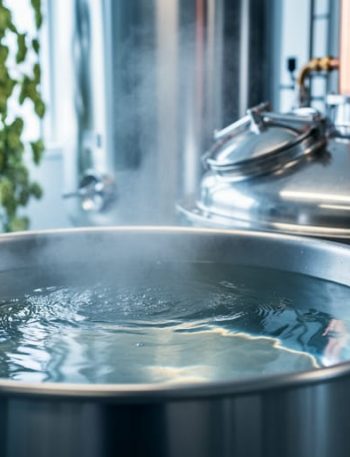
Close-up of a stainless steel craft brewery mash tun with clear water and steam, showing brewing equipment and blurred tanks in the background.

Why Removing Chloramine From Your Water Matters for Canadian Craft Brewers

More than 90 percent of your finished beer is water, so whatever is in your source water ends up in your beer. While malt, hops, and yeast usually get the spotlight, water actually sets the limit for your beer’s flavor. If there’s an issue with your water, no amount of brewing skill can fix it later.
For years, Canadian brewers only had to deal with one disinfectant: chlorine. It reacts quickly, smells like a swimming …

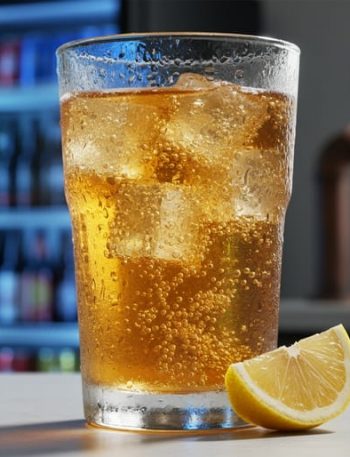
Close-up of a chilled glass of golden ginger ale with visible condensation and carbonation bubbles, with a softly blurred beer cooler background behind it.

Canada Dry Isn’t Beer (But This Ginger Ale Changed Canadian Brewing Forever)

No, Canada Dry is not beer. It’s a ginger ale, a sweet, carbonated soft drink that’s been around since 1904. The “Dry” in its name refers to the crisp, less sweet flavor profile compared to other sodas of that era, not to any brewing process or alcoholic content.
The confusion is understandable. The word “dry” carries weight in brewing circles, describing everything from dry-hopped IPAs to crisp lagers, and the Canadian connection might lead some to assume a link to our country’s rich beer heritage. …

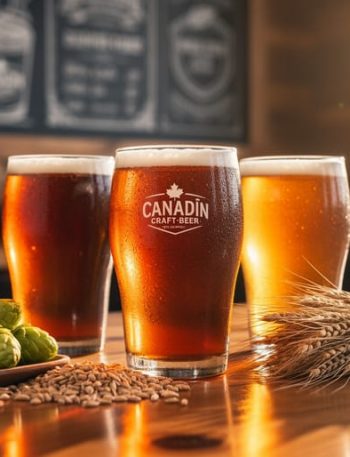
Frothy craft beer glasses on a wooden bar with hops and barley in an autumn-themed Canadian brewery taproom.

When Is Canadian Beer Day? Timing, Traditions, and How to Celebrate

Canadian Beer Day arrives on Wednesday, October 7, 2026, landing as always on the Wednesday before Thanksgiving. This moveable celebration, organized by Beer Canada since 2019, shifts each year alongside the holiday calendar, which means your planning window changes annually but the spirit remains constant: raise a glass to the brewers, malters, hop growers, and craft pioneers who’ve shaped one of the world’s most distinctive beer cultures.
The timing couldn’t be more intentional. Wedged between harvest season and the long Thanksgiving weekend, …

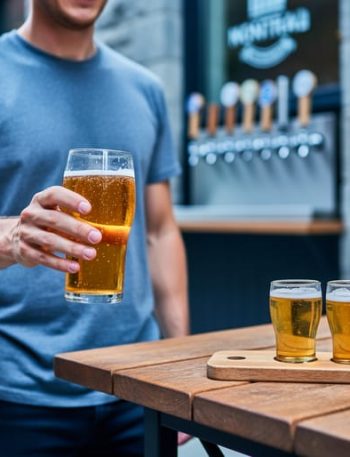
A person holding a pint of craft beer at a Montreal taproom with a beer flight on a wooden table and brewery taps blurred in the background.

Legal Drinking Age in Quebec, Canada: When You Can Enjoy Craft Beer

In Quebec, the legal drinking age is 18, making it one of three Canadian provinces where you can legally purchase and consume alcohol before turning 19. This lower threshold has positioned Quebec as a destination for craft beer enthusiasts across the country, particularly those from Ontario and the western provinces who arrive eager to explore Montreal’s thriving taproom scene and Quebec City’s historic brewing traditions.
The age requirement applies uniformly across all settings: bars, restaurants, breweries, retailers, and …

Craft brewer in a denim apron holding a tablet with a blank glowing screen inside a modern stainless-steel brewhouse, eye-level three-quarter view with soft natural light and blurred tanks, hoses, and kegs in the background.

How AI Loan Matching Is Helping Craft Breweries Survive and Thrive

Cash advance here might seem like the easiest path when your craft brewery needs capital for that new fermenter or taproom expansion, but there’s a smarter approach revolutionizing how brewers secure funding. Artificial intelligence is transforming the traditionally frustrating loan application process into a streamlined experience that understands your brewery’s unique financial rhythms—from seasonal sales fluctuations to the lag between grain purchases and revenue from kegs rolling out your door.
Picture this: Instead of spending weeks visiting different banks, explaining why your …

Economic Impact of Beer in Canada

Beer is more than just a popular drink in Canada; it plays a significant role in the economy. From small breweries to large beer companies, the beer industry contributes to job creation, tourism, and government revenues.

Here, we’re going to look at the impact of beer on Canada’s economy.

Job Creation

The beer industry provides a lot of jobs across Canada. It employs thousands of people directly in breweries, bars, and restaurants. This includes not only brewers but also bartenders, wait staff, and …

What are the Key Ingredients of Beer?

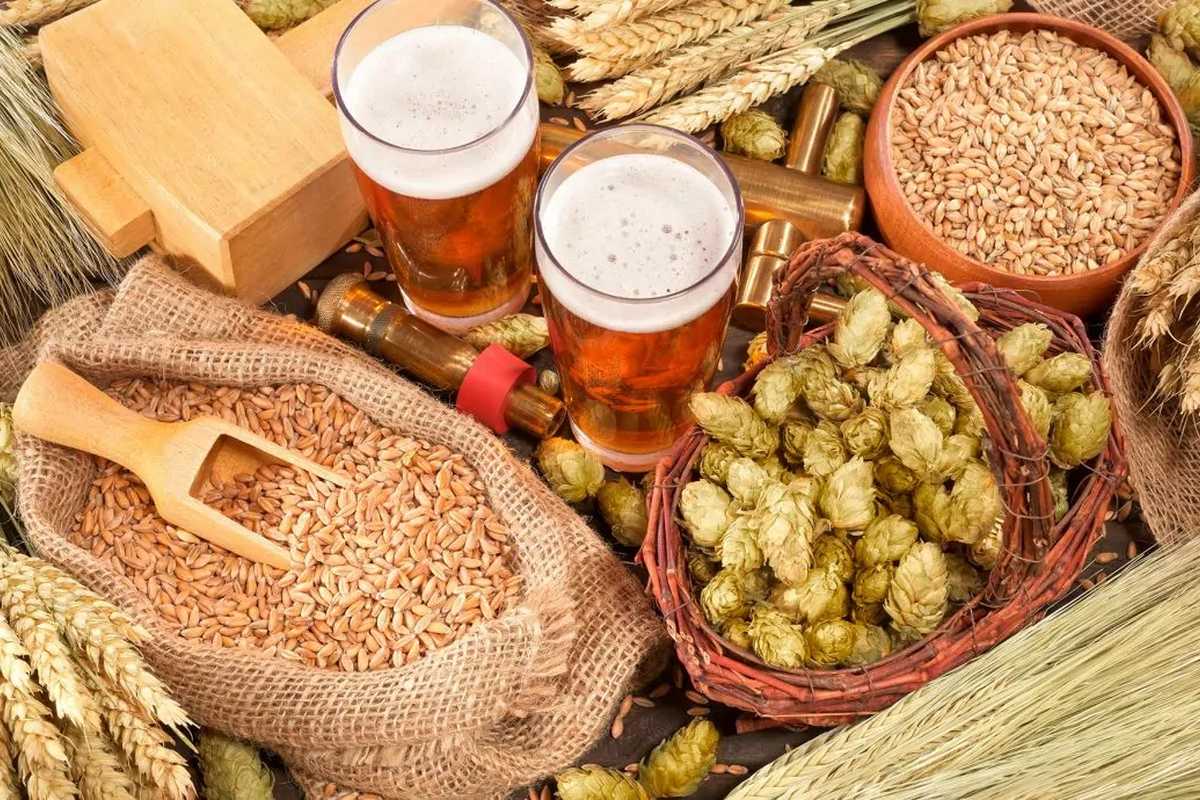
Beer is one of the oldest and most popular beverages in the world. It has a rich history and a wide variety of flavors, styles, and textures. The magic of beer lies in its ingredients, which work together to create the final product.

Without further ado, here are the key ingredients used in making beer:

Water

Water is the most abundant ingredient in beer, making up about 90-95% of the final product. The quality and mineral content of the water can significantly affect the taste of the beer. Different …