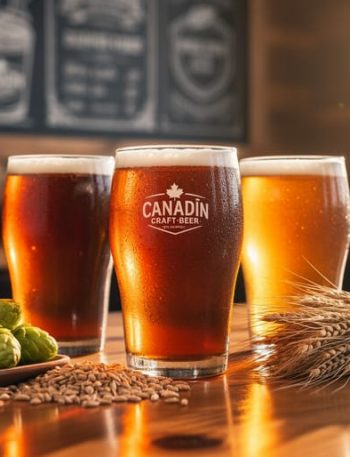
Frothy craft beer glasses on a wooden bar with hops and barley in an autumn-themed Canadian brewery taproom.

When Is Canadian Beer Day? Timing, Traditions, and How to Celebrate

Canadian Beer Day arrives on Wednesday, October 7, 2026, landing as always on the Wednesday before Thanksgiving. This moveable celebration, organized by Beer Canada since 2019, shifts each year alongside the holiday calendar, which means your planning window changes annually but the spirit remains constant: raise a glass to the brewers, malters, hop growers, and craft pioneers who’ve shaped one of the world’s most distinctive beer cultures.
The timing couldn’t be more intentional. Wedged between harvest season and the long Thanksgiving weekend, …
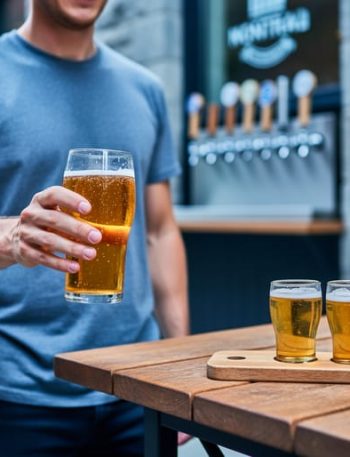
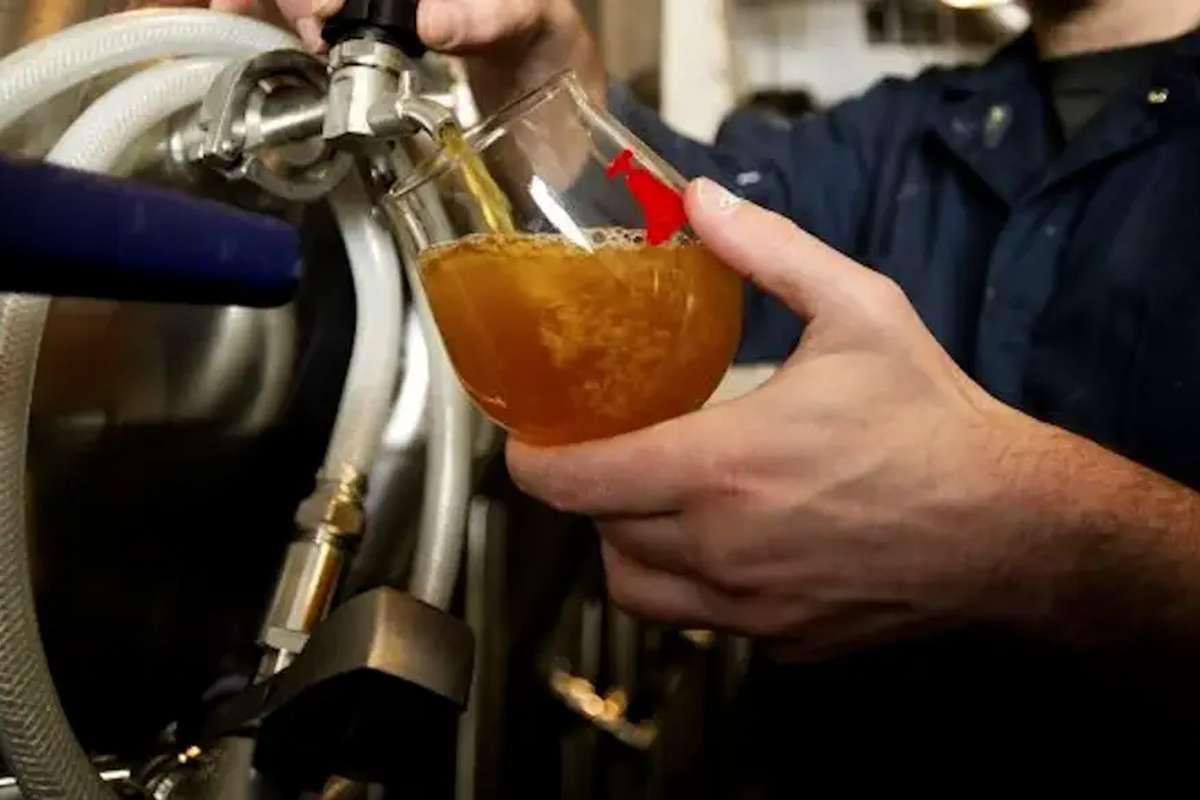
A person holding a pint of craft beer at a Montreal taproom with a beer flight on a wooden table and brewery taps blurred in the background.

Legal Drinking Age in Quebec, Canada: When You Can Enjoy Craft Beer

In Quebec, the legal drinking age is 18, making it one of three Canadian provinces where you can legally purchase and consume alcohol before turning 19. This lower threshold has positioned Quebec as a destination for craft beer enthusiasts across the country, particularly those from Ontario and the western provinces who arrive eager to explore Montreal’s thriving taproom scene and Quebec City’s historic brewing traditions.
The age requirement applies uniformly across all settings: bars, restaurants, breweries, retailers, and …

Pint of golden homebrewed beer with foamy head on a tidy kitchen counter, with a stainless brew kettle and translucent fermentation bucket with airlock softly out of focus in the background under warm window light.

Your First Batch of Home Beer Won’t Fail If You Follow These Proven Steps

That first sip of beer you brewed yourself tastes different. Not because the recipe was revolutionary or because you stumbled onto some secret technique, but because you made it happen. You took water, grain, hops, and yeast and transformed them into something alive, something drinkable, something worth sharing with friends who’ll ask dozens of questions about your new obsession.
Homebrewing isn’t nearly as complicated as the craft beer industry sometimes makes it look. Yes, professional brewers work with gleaming stainless steel …

Ontario’s Move to Freeze its Beer Basic Tax Praised by Beer Canada

Beer Canada is praising the Government of Ontario for its decision to freeze the Ontario Beer Basic Tax, providing much-needed relief to the province’s brewing industry. The freeze, which halts any increases to the provincial beer tax, is seen as a significant step in supporting local brewers and the broader beer value chain.

CJ Hélie, President of Beer Canada, expressed the organization’s approval of the decision, stating, “We are very pleased with the Ontario government’s move to freeze the Beer Basic Tax. This decision provides crucial stability for brewers …

FAQs About Beer and Calories

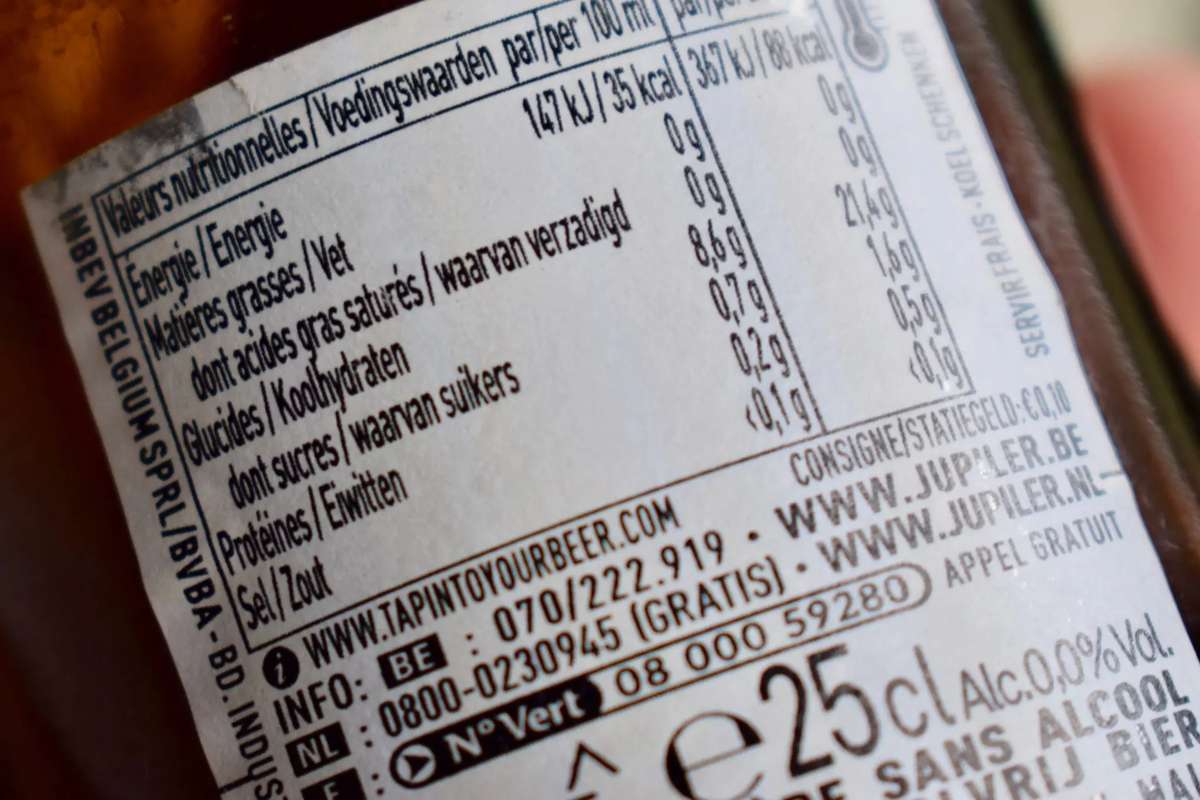
How many calories are in a typical beer?

The number of calories in beer can vary widely depending on the type and brand. On average, a standard 12-ounce (355 ml) serving of regular beer contains around 150 calories.

Light beers usually have fewer calories, typically ranging from 90 to 110 calories per serving, while craft beers or stouts can have significantly more, sometimes reaching 200 to 300 calories or more.

Why does beer have calories?

Beer calories primarily …

Economic Impact of Beer in Canada

Beer is more than just a popular drink in Canada; it plays a significant role in the economy. From small breweries to large beer companies, the beer industry contributes to job creation, tourism, and government revenues.

Here, we’re going to look at the impact of beer on Canada’s economy.

Job Creation

The beer industry provides a lot of jobs across Canada. It employs thousands of people directly in breweries, bars, and restaurants. This includes not only brewers but also bartenders, wait staff, and …

What are the Key Ingredients of Beer?

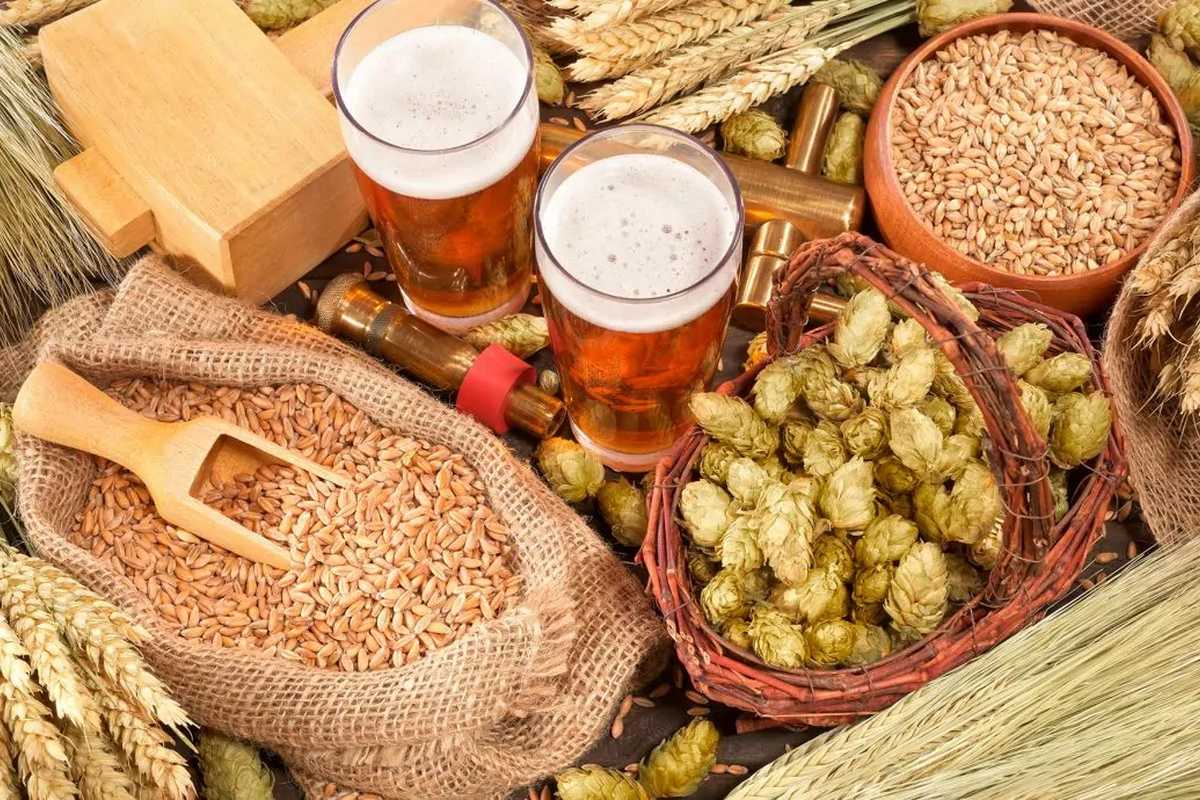
Beer is one of the oldest and most popular beverages in the world. It has a rich history and a wide variety of flavors, styles, and textures. The magic of beer lies in its ingredients, which work together to create the final product.

Without further ado, here are the key ingredients used in making beer:

Water

Water is the most abundant ingredient in beer, making up about 90-95% of the final product. The quality and mineral content of the water can significantly affect the taste of the beer. Different …

A Brief Look at the Canadian Beer History

The history of beer in Canada is rich and stretches back hundreds of years, shaped by the country’s diverse cultures and changing landscapes.

Small Beginnings

Beer arrived in Canada with the first European settlers in the early 1600s. French explorer Samuel de Champlain, often credited as one of the founders of Quebec, was among the first to brew beer in the region.

He brewed a primitive form of beer to help prevent scurvy among his crew during the cold winters. Though this was not beer as we know it …

Beer Excise Tax Relief Announced by the Federal Government

On October 8, 2024, Deputy Prime Minister and Minister of Finance Chrystia Freeland and Minister of Small Business Rechie Valdez announced important news for Canada’s beer industry: two new measures aimed at providing relief from beer excise taxes.

First, the government has decided to limit the annual tax increase on beer, wine, and spirits to no more than 2% for the next two years. This change is crucial because, under a previous inflation-based formula, taxes were scheduled to rise by 4.7% on April 1, 2024.

By capping the increase, the…

A conceptual representation of craft beer and vaping cultures merging with colorful swirls and elements like hops, barley, and vape smoke.

The Flavor Fusion: How Craft Beer and Vaping Cultures Create a Unique Taste Experience

Immerse yourself in the vibrant community of craft beer and vaping by connecting with local enthusiasts. Explore flavor pairings like craft beer and breakfast cereal vape to transport your palate to new dimensions. Visit local breweries and vape shops to gain firsthand experience of each culture’s intricacies. Participate in dedicated tasting events and join online forums to share insights and discover emerging trends. Actively engage in these communities to satisfy your curiosity and forge connections with fellow aficionados who share your passion for craft beer and …