Canada’s beer market pulled back in 2024-2025, with sales dropping 1.6 percent to $9.1 billion and volume declining 3.8 percent, according to Statistics Canada. These aren’t just numbers on a spreadsheet. They represent shifting consumer habits, evolving retail landscapes, and growing pains for an industry navigating post-pandemic realities.
The decline marks a continuation of earlier trends. Regular Canadian beer sales hit 665.4 million litres in 2023/2024, down 3.4 percent from the previous year and 9.9 percent lower in revenue compared to that same period. South of the border, similar patterns emerged: U.S. beer production and imports fell 5.7 percent in 2025, while craft brewer volume sales dropped 4 percent. Yet here’s the silver lining: small and independent brewers increased their share of the U.S. market to 13.4 percent by volume in 2025, proving that craft beer’s appeal remains strong even as overall consumption contracts.
For craft brewers and enthusiasts, these statistics tell a story beyond declining volume. They reveal an industry in transition, where quality increasingly trumps quantity and local connection matters more than scale. The data raises essential questions about consumer preferences, market saturation, and the future of independent brewing. Understanding these trends helps breweries adapt their strategies, supports informed purchasing decisions for enthusiasts, and provides context for the innovation and resilience that define today’s craft beer community.
What follows is a deep look at the numbers shaping Canadian beer in 2026, what they mean for the breweries you love, and how the craft segment continues carving its path forward.
The Current State of Canadian Beer Sales
The numbers tell a clear story: Canadian beer sales are contracting. According to Statistics Canada latest figures beer sales dropped 1.6% in value to $9.1 billion during the 2024-2025 period, while volume fell more sharply at 3.8%. This marks a continuation of a troubling trend, liquor authorities and retailers sold 665.4 million litres of regular Canadian beer in 2023/2024, down 3.4% from the previous year and a striking 9.9% below the year before that.
For the brewing community, these statistics represent more than abstract market data. They signal real changes in how Canadians are choosing to spend their time and money. The gap between value and volume decline suggests consumers are spending slightly more per litre, perhaps gravitating toward premium craft offerings even as they drink less overall. Yet the accelerating decline across consecutive years (3.4%, then 9.9%) indicates this isn’t a temporary blip but a fundamental shift in drinking culture.
These trends aren’t isolated to Canada. Overall U.S. beer production and imports fell 5.7% in 2025, showing our southern neighbours face similar headwinds. Understanding what’s behind these numbers helps brewers and enthusiasts alike navigate this evolving landscape with clarity rather than concern.
Breaking Down the Numbers: Volume vs. Value
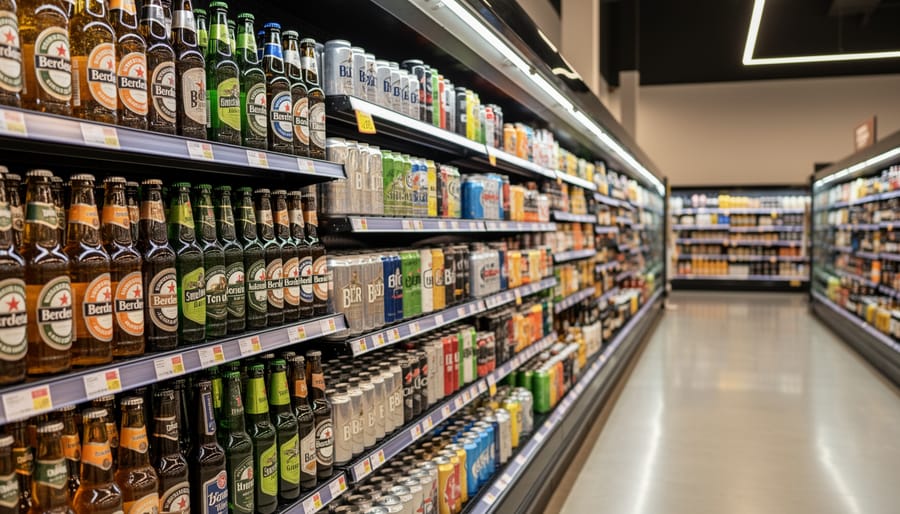
When beer sales fall, the headline numbers tell only part of the story. The gap between volume and value reveals how the market is actually shifting, and for Canadian beer, that gap matters.
Volume measures litres sold, the physical beer leaving shelves and taps. Value tracks dollar amounts, what consumers and retailers actually spend. In 2024-2025, these two metrics diverged: beer volume dropped 3.8% while sales value fell just 1.6% to $9.1 billion. That spread between volume loss and value loss suggests Canadians bought fewer litres, but what they did buy cost more per unit.
Think of it this way: if you’re selling fewer beers but each one brings in more revenue, your total sales don’t crater as sharply as your volume. Premium offerings, craft selections, and price increases can all cushion value even as volumes slide. This pattern often signals a shift toward higher-end products or simply reflects inflation catching up with beer pricing.
The 665.4 million litres in 2023/2024 gives us a concrete baseline. That’s down 3.4% from the year before, but the same data shows regular Canadian beer sales fell 9.9% in value year-over-year for that period, a steeper value drop that preceded the more recent figures.
| Period | Volume Change | Value Change |
|---|---|---|
| 2023/2024 (year-over-year) | -3.4% | -9.9% |
| 2024/2025 | -3.8% | -1.6% ($9.1B) |
The reversal between these periods is striking. In 2023/2024, value collapsed faster than volume. By 2024/2025, volume continued dropping while value stabilized significantly. That suggests the market corrected after an earlier pricing slump, likely through adjusted pricing strategies or consumers gravitating toward pricier options even as they bought less overall.
For brewers, these distinctions shape strategy. A volume decline isn’t automatically catastrophic if each sale generates stronger margins. For beer lovers, it reflects a landscape where choice matters more than quantity, fewer litres sold, but a marketplace that still values quality and variety enough to keep revenue from freefall.
What’s Driving the Decline?
Shifting Consumer Preferences
Younger drinkers are reshaping beer culture with choices their parents’ generation rarely considered. Mindful drinking has moved from fringe concern to mainstream priority, with “mindful drinking” influencing everything from social habits to product development. Brewers now field regular requests for lower-alcohol session beers, non-alcoholic options, and smaller serving sizes that let enthusiasts enjoy flavour without committing to high ABV.
Generational splits run deeper than just volume consumed. Millennials and Gen Z consumers gravitate toward experimentation, seeking novel ingredients, limited releases, and beverages that align with wellness values. They’re also more willing to switch between beer, wine, spirits, and non-alcoholic alternatives within a single evening, treating categories as interchangeable rather than tribal. This fluid approach contrasts sharply with the brand loyalty that defined earlier generations.
The practical result? Craft brewers who once competed primarily on hop intensity now develop diverse portfolios spanning 3% table beers to barrel-aged stouts, alcohol-free IPAs to hard seltzers. Adaptation isn’t optional when your core audience views moderation and variety as lifestyle principles rather than temporary trends.
Economic and Competitive Pressures
Economic conditions and market competition have created a perfect storm affecting beer purchases. When household budgets tighten, consumers make trade-offs. Beer, as a discretionary expense, often loses out when rent, groceries, and utilities claim a larger share of paycheques. The sharper volume decline compared to value in recent Statistics Canada data suggests people are buying less beer overall rather than just trading down to cheaper options.
Competition from other alcohol categories intensifies the pressure. Wine and spirits producers have expanded their offerings, appealing to consumers seeking variety or perceived sophistication. Ready-to-drink cocktails and seltzers carved out significant shelf space, attracting drinkers who might have previously reached for beer. These alternatives often command premium prices, fragmenting what was once a more unified beer market.
Pricing dynamics complicate matters further. As production costs rise, ingredients, energy, packaging, brewers face difficult choices. Pass increases to consumers and risk losing sales, or absorb costs and squeeze already thin margins. For craft brewers especially, maintaining quality while staying competitive demands constant innovation and efficiency without sacrificing the character that defines their brands.
The Craft Beer Perspective: Navigating a Contracting Market

The market is shifting, but craft brewers have navigated tougher waters before. While Canadian beer volumes dropped 3.8% in 2024-2025, a closer look at what’s happening across North America reveals a more nuanced story, one where smaller breweries are gaining ground even as the overall category contracts.
U.S. data from the Brewers Association shows craft sales down 4% in 2025 mirroring Canada’s volume decline. Yet here’s the encouraging part: small and independent brewers increased their market share to 13.4%, capturing a larger slice of a smaller pie. This pattern suggests consumers aren’t abandoning beer wholesale, they’re becoming more selective about what they drink and where they spend their dollars.
For Canadian craft brewers, this selectivity creates both challenges and opportunities. The breweries thriving in this environment aren’t necessarily the largest or flashiest. They’re the ones doubling down on what makes craft beer compelling in the first place: distinctive flavours that can’t be replicated by mass producers, genuine connections with their local communities, and the willingness to experiment when bigger competitors play it safe.
Consider what a contracting market actually means. Less competition for shelf space from marginal players who entered during boom years. More discerning customers willing to pay for quality rather than chasing the cheapest option. Retailers looking for products that differentiate their offerings rather than another generic lager.
The breweries that weather this period won’t do it by trying to compete on volume or price. They’ll succeed by deepening relationships with their regulars, creating beers worth seeking out, and reminding people why they fell in love with craft brewing in the first place. When the overall market shrinks but your share grows, that’s not decline, it’s consolidation around what matters.
What This Means for Brewers and Beer Lovers
For brewers navigating this contracting market, adaptation isn’t optional, it’s survival. The statistics point toward a future where differentiation matters more than ever. Successful breweries are doubling down on what makes them unique: distinctive recipes, compelling origin stories, and genuine community connections. If your taproom feels like a gathering place rather than just a sales channel, you’re already ahead. Consider this an opportunity to refine your core lineup rather than chasing every trend, and to invest in the experiences that turn casual visitors into loyal advocates.
Consumers will notice shifts in how breweries operate and what they offer. Expect to see more collaboration brews as producers share resources and cross-promote. Seasonal releases might become more strategic, with breweries focusing on proven favorites rather than experimental one-offs. Taproom events will likely emphasize community, think beer education nights, food pairings with local producers, and brewery tours that tell the story behind each pour. These changes reflect a return to fundamentals that have defined Canadian brewing history: quality, locality, and connection.
Market consolidation, while challenging, creates openings for those willing to innovate. As larger producers struggle with volume declines, craft breweries gain shelf space and tap handles previously out of reach. The 13.4% market share captured by small independent brewers in the U.S., even as overall volumes fell, demonstrates that consumers increasingly choose character over convenience. For beer lovers, this means your local brewery matters more than ever. Your purchases directly support the innovation and community spaces that make craft beer culture thrive, turning every pint into a vote for the kind of industry you want to see.
Looking Ahead: The Future of Canadian Beer
Despite the recent sales declines, Canadian craft brewing stands on a foundation of innovation, community, and adaptability that positions the industry well for what comes next. The fundamentals that drew people to craft beer, quality ingredients, distinctive flavours, and connection to local producers, haven’t changed, even as consumption patterns evolve.
Several indicators suggest paths forward. Breweries that deepen ties with their local communities often weather market contractions better than those chasing scale. Taproom experiences, brewery events, and direct relationships with customers create revenue streams less vulnerable to broader retail trends. The growing interest in home beer brewing also points to sustained enthusiasm for beer culture itself, even if purchasing habits shift.
Sustainability will increasingly matter. Breweries investing in local sourcing, energy efficiency, and waste reduction align with values that resonate across generations. These aren’t just marketing positions, they’re operational choices that reduce costs and build authentic community support.
Watch for innovation in sessionable styles, non-alcoholic and low-alcohol options, and collaborative releases that generate excitement without requiring volume growth. The breweries thriving in this environment focus on what they do distinctively well rather than trying to appeal to everyone.
The decline in overall volume doesn’t diminish the craft brewing movement’s cultural importance or the passion of those who make and appreciate thoughtful beer. Quality, creativity, and community connection have sustained this industry through previous challenges. Those same values, paired with willingness to adapt, will shape whatever comes next in Canadian brewing.
Common Questions About Canadian Beer Sales
The numbers behind Canada’s beer market tell an important story, but they also raise plenty of questions for those of us who love craft beer and want to understand where the industry is headed. Here are answers to some of the most common questions about these trends.
Why are beer sales declining in Canada?
The 1.6% value decline to $9.1 billion and 3.8% volume drop in 2024-2025 reflect shifting consumer preferences toward moderation, competition from other beverage categories, and economic pressures affecting discretionary spending. Younger generations are drinking differently than previous ones, and health consciousness is reshaping choices across all age groups.
Is craft beer affected differently than mainstream beer?
While overall volumes are declining, craft brewers often maintain stronger community connections and customer loyalty that can buffer against broader market contractions. Quality-focused breweries with distinctive offerings and local roots tend to weather market shifts better than mass-market brands, though no segment is immune to changing consumer habits.
What can beer lovers do to support local breweries during this downturn?
Visit taprooms regularly, participate in brewery events like Canadian Beer Day celebrations, choose local options when buying beer, and spread the word about your favourite breweries on social media. Direct purchases at the brewery provide the best margin for brewers and strengthen the community connections that sustain craft beer culture.
Does declining volume mean Canadian beer quality is suffering?
Not at all, in fact, the opposite may be true. As the market contracts, many brewers are focusing on quality over quantity, experimenting with new styles, and refining their core offerings to stand out in a more competitive landscape.
These questions reflect genuine concerns from the brewing community, but they also highlight opportunities. When consumers become more selective about their beer purchases, breweries that prioritize craftsmanship, authenticity, and community engagement often find their audience more engaged than ever. The statistics show a contracting market, but they don’t capture the passion and innovation happening in taprooms and brewhouses across the country. Understanding the numbers helps us appreciate both the challenges and the resilience that define Canadian craft brewing today.