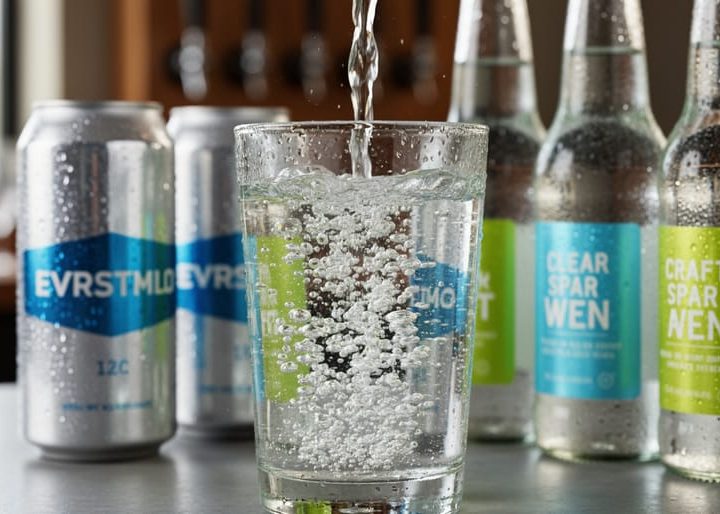
Bubble sparkling water represents a growing intersection between the craft beverage movement and refreshment culture, where carbonated water brands have evolved from simple soda alternatives into flavor-forward options that appeal to discerning palates. If you’re exploring this category, you’ll find products like Bubly sparkling water at the forefront, a USA-made brand offering 18 distinct flavors ranging from straightforward lime and lemon to creative combinations like raspberry lime, half tea and half lemon, and cucumber. The “bubble” terminology captures both the brand identity and the quality that draws enthusiasts: clean effervescence, zero-calorie refreshment, and flavor profiles that complement rather than overpower.
For craft beer lovers, the appeal of premium sparkling water extends beyond simple hydration. Many breweries now stock these options in taprooms as palate cleansers between tastings, session alternatives for designated drivers, and even as cocktail mixers that respect ingredient integrity. The carbonation levels in quality sparkling waters mirror the mouthfeel consideration brewers apply to their own products, with bubble size, retention, and intensity creating distinct sensory experiences.
The craft beverage parallel runs deeper than surface similarities. Just as small-batch brewers obsess over water chemistry and terroir, sparkling water producers now highlight mineral content, carbonation methods, and natural flavor extraction techniques. Bubly’s portfolio, featuring options like mango orange, pink lemonade, grapefruit, and pineapple, demonstrates how the category has matured beyond generic citrus into a spectrum worthy of the same evaluation craft beer enthusiasts apply to hop varieties or yeast strains.
This shift reflects broader consumer expectations: people who’ve trained their palates to detect subtle notes in an IPA or saison naturally gravitate toward beverages that offer complexity without compromise. Understanding what separates exceptional sparkling water from commodity alternatives means exploring production methods, ingredient sourcing, and flavor balance with the same curiosity you’d bring to any craft beverage exploration.
What Makes Bubble Sparkling Water Different from Traditional Seltzer
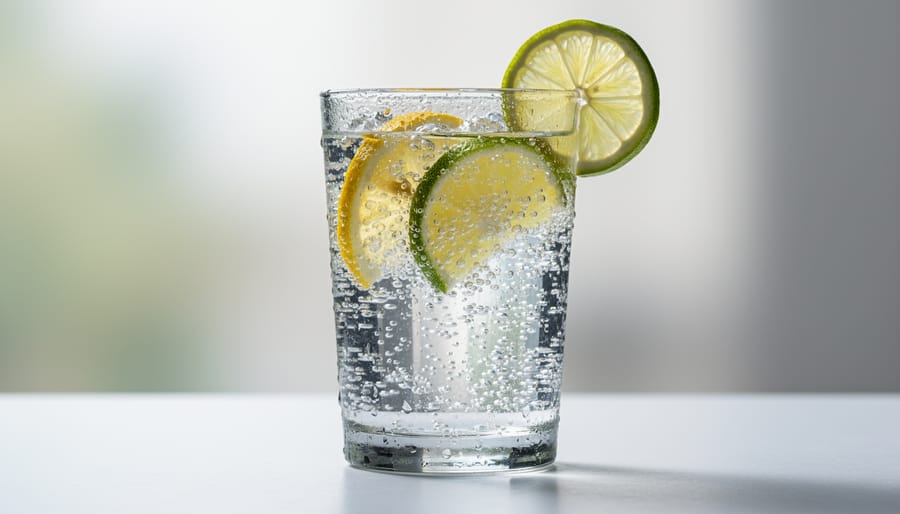
The distinction between bubble sparkling water and traditional seltzer mirrors the difference between a carefully crafted IPA and a mass-produced lager. While both deliver carbonation, the approach to creation separates the artisan product from the commodity. Traditional seltzer typically relies on straightforward CO2 injection into filtered water, functional, consistent, but without nuance. Bubble sparkling water, particularly craft-focused brands like Bubly, employs calibrated carbonation techniques that create finer, longer-lasting bubbles, much like how brewmasters control fermentation to achieve specific mouthfeel characteristics in their beers.
The flavor infusion process reveals the craft philosophy most clearly. Instead of artificial flavor compounds or concentrated syrups, quality bubble sparkling water uses natural essence extraction, capturing the volatile aromatic oils from real fruits without adding sugars, calories, or synthetic additives. When you open a can of raspberry lime or grapefruit bubble sparkling water, you’re experiencing the same essence-based flavoring that high-end breweries use for their fruit-forward sours and IPAs. The method preserves the bright, authentic taste of the source ingredient while maintaining zero calories and clean carbonation.
Ingredient transparency represents another parallel to craft brewing values. Just as discerning beer enthusiasts scrutinize grain bills and hop varieties, bubble sparkling water appeals to those who want to understand exactly what they’re consuming. The key ingredients list reads simply: carbonated water and natural flavor. No preservatives, no sodium, no mysterious chemical codes. Bubly’s 18 flavor varieties, from straightforward lime and lemon to more adventurous combinations like half tea & half lemon or mango orange, demonstrate the same experimental spirit that drives craft brewers to push boundaries while respecting ingredient integrity.
The carbonation itself deserves attention. Premium bubble sparkling water achieves carbonation levels between 3.5 and 4.0 volumes of CO2, comparable to many craft beers. This creates a lively effervescence that doesn’t fade quickly after opening, maintaining the sensory experience throughout your drink. Traditional seltzers often fall below this range, resulting in flatter mouthfeel and shorter-lived bubbles. For craft beverage enthusiasts accustomed to evaluating carbonation’s role in flavor delivery and texture, this distinction matters significantly.
The Bubly Story: From Production to Your Glass
Bubly sparkling water represents a compelling case study in how craft values translate beyond traditional brewing. Launched with an emphasis on domestic production and flavor innovation, Bubly has carved out space in the sparkling water category by approaching carbonation and flavoring with the same experimental spirit that defines craft brewing. Made entirely in the USA, the brand demonstrates that local production and quality craftsmanship extend to every beverage category craft enthusiasts explore.
The production philosophy mirrors what many brewers embrace: start with pure water, apply careful carbonation techniques, and let natural flavors speak for themselves. Bubly’s approach to effervescence prioritizes a bright, lively carbonation that feels refreshing rather than harsh, a subtlety that palate-trained beer lovers readily appreciate. The absence of artificial sweeteners and added sodium keeps the flavor profile clean, allowing the fruit essences to shine through without interference.
What truly sets Bubly apart is the breadth of experimentation across its 18 flavor varieties. The range spans from straightforward citrus profiles to unexpected combinations that reward adventurous tasters. Consider the spectrum available:
| Flavor Category | Varieties | Tasting Notes |
|---|---|---|
| Citrus-Forward | Lemon, Lime, Grapefruit | Crisp acidity, palate-cleansing, pairs well with hoppy IPAs |
| Fruit-Forward | Pineapple, Mango Orange, Raspberry Lime | Tropical sweetness, aromatic, complements fruited sours and wheat beers |
| Innovative Blends | Half Tea & Half Lemon, Pink Lemonade, Cucumber | Complex layering, conversation starters, ideal for mixed tastings |
The half tea and half lemon variety particularly resonates with craft beverage culture’s appetite for hybrid creations, think shandy traditions or tea-infused beers. Pink lemonade brings nostalgic familiarity with a grown-up execution, while cucumber offers the kind of vegetal, refreshing note that saison drinkers recognize and appreciate.
This variety mirrors how craft brewers approach their tap lists: core offerings provide reliable refreshment, while rotating selections keep regulars curious and engaged. Bubly’s willingness to experiment with flavor combinations like raspberry lime or mango orange reflects the same creative restlessness that drives brewers to push beyond traditional style guidelines. The flavors aren’t timid suggestions but assertive profiles that stand up to discerning palates.
For those accustomed to reading ingredient labels on beer cans and asking brewers about their process, Bubly’s transparency about its USA-made origins and simple ingredient list feels familiar and trustworthy. The production values align with supporting domestic artisans and understanding where your beverage comes from, principles that run deep in craft beer communities.
Why Craft Beer Enthusiasts Are Embracing Sparkling Water
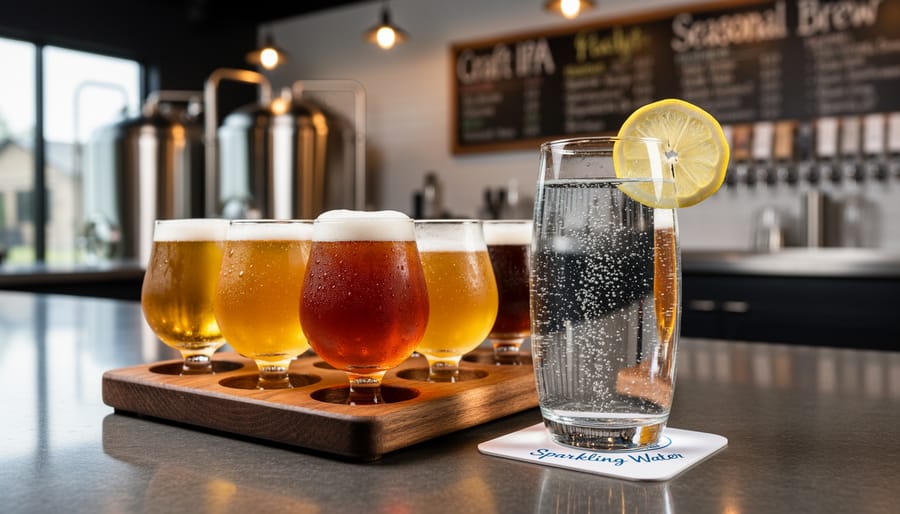
The relationship between craft beer culture and premium sparkling water runs deeper than simple hydration. Walk into any established taproom today, and you’ll likely spot elegant bottles of sparkling water alongside the tap list, a pairing that reflects shifting values within the community.
Palate preservation stands as the most practical driver. Serious beer tasters have long understood what sommeliers know: carbonation resets your taste buds between samples. When you’re working through a flight that moves from a delicate pilsner to a barrel-aged imperial stout, a few sips of quality sparkling water clear residual flavors and oils, letting each beer present itself honestly. The effervescence matters here. Still water hydrates, but carbonated water actively scrubs your palate, preparing it for the next pour.
The mindful drinking movement has reshaped taproom culture in ways that extend well beyond January abstinence campaigns. Craft enthusiasts increasingly view beer appreciation as incompatible with excessive consumption. They want to spend three hours at a brewery without compromising their healthy lifestyle which means alternating thoughtfully between beer and other beverages. Premium sparkling water serves this purpose without feeling like a concession. It offers complexity through natural flavors and satisfying carbonation, keeping the sensory experience elevated even during non-alcoholic rounds.
Sessionability, that cherished concept in craft brewing, translates naturally to sparkling water. Just as brewers craft lower-ABV beers for extended enjoyment, quality sparkling water extends your time in the tasting room without the effects of continuous alcohol consumption. You maintain social presence and continue exploring flavors while giving your system a break.
The craftsmanship parallel resonates most deeply. Craft beer drinkers gravitate toward products made with intention, where ingredient sourcing and production methods matter. They read labels, ask questions about process, and support producers who prioritize quality over shortcuts. Premium sparkling water producers speak this same language, emphasizing natural flavors, careful carbonation, and transparent ingredient lists. When Bubly highlights its USA-made production and diverse flavor development, it’s communicating in terms craft enthusiasts already value.
Forward-thinking breweries recognize this alignment. They’re curating their sparkling water selections as carefully as their guest tap rotations, treating it as an extension of their beverage program rather than an afterthought.
Pairing Bubble Sparkling Water with Craft Brews and Food
Sparkling water earns its place at the tasting table by resetting your palate between pours, letting you appreciate each beer’s nuances without carryover from the previous glass. Pour an unflavored sparkling water between flight samples, the carbonation scrubs residual hop oils and malt sweetness from your tongue, while the neutral pH prevents flavor interference. This works especially well during IPA flights, where hop bitterness can compound across multiple tastings.
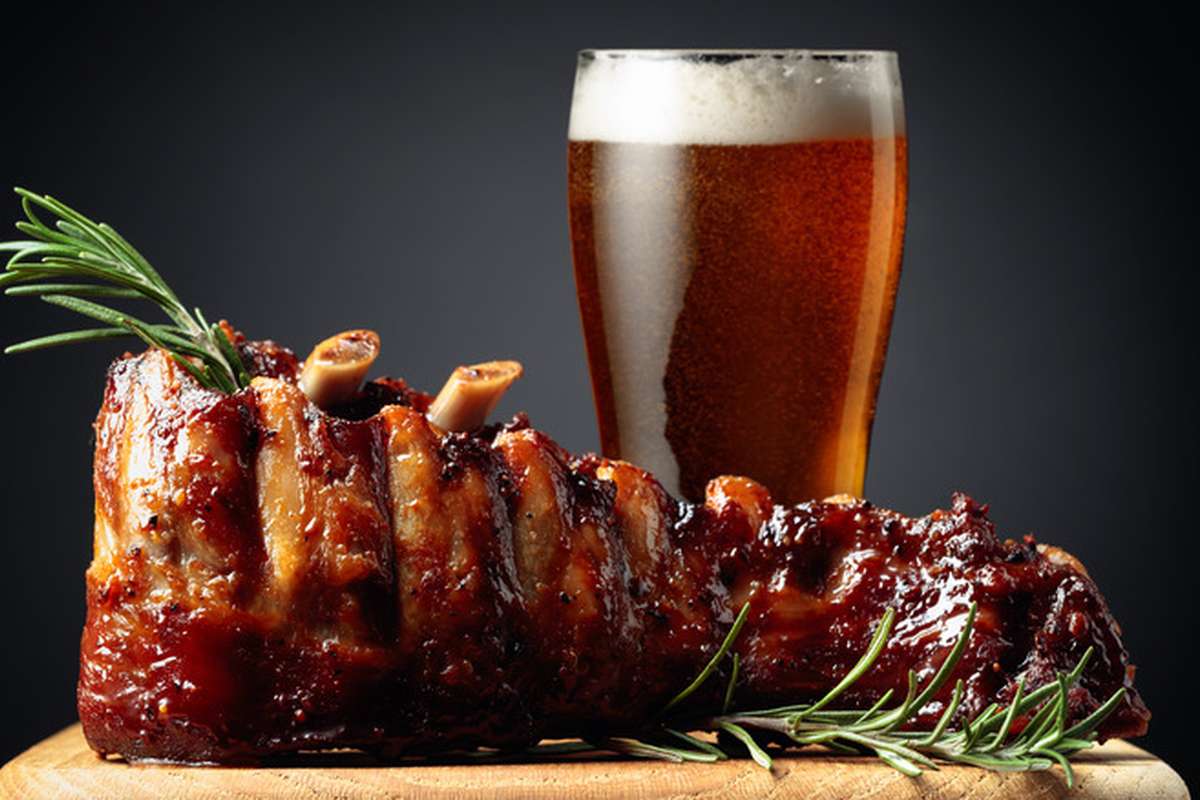
Flavored varieties open up pairing possibilities that complement specific beer styles. Grapefruit or lime sparkling water cuts through the richness of imperial stouts and barrel-aged porters, preparing your palate for the next tasting note. Cucumber pairs beautifully alongside wheat beers and witbiers, echoing the crisp, garden-fresh character many brewers aim for in summer seasonals. Raspberry lime works with sour ales and fruit-forward lambics, creating a natural bridge between pours that share tart, berry-driven profiles.
- Start with lighter styles and progress to heavier beers, pouring 2-3 ounces per sample into appropriate glassware.
- Place a glass of unflavored sparkling water at each taster’s station, using it to cleanse between the first three samples.
- Switch to a complementary flavored variety for the final rounds, grapefruit for hop-forward beers, raspberry lime for sours, or cucumber for crisp lagers.
- Encourage guests to sip the sparkling water, swirl it briefly, then wait 15-20 seconds before moving to the next beer.
- Finish the flight with a final palate reset using unflavored water, allowing conversation about favorites without lingering residual flavors.
Beyond tastings, brewers incorporate sparkling water into beer recipes and drinking rituals. A splash of pineapple or mango orange sparkling water transforms leftover session IPAs into refreshing radlers at home. Some breweries now offer sparkling water on tap alongside their lineups, recognizing that mindful drinkers and designated drivers deserve craft-quality options. The half tea & half lemon variety works particularly well in brewing-inspired mocktails, blending with fresh herbs and citrus to create non-alcoholic alternatives that fit the taproom atmosphere.
The Sustainability Connection: Local Production and Craft Values
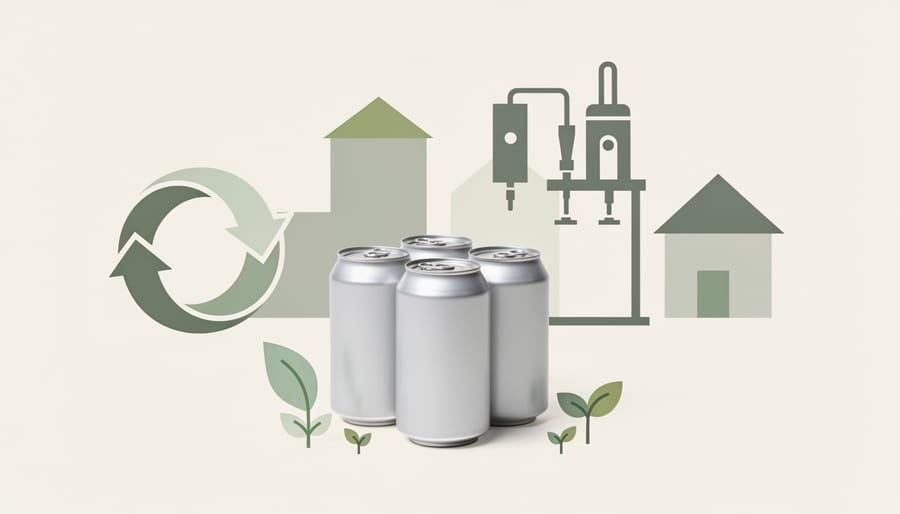
The craft beverage movement has always been rooted in something deeper than the drink itself, it’s about community, transparency, and supporting artisans who put care into every detail. That same philosophy extends naturally to bubble sparkling water, where production practices mirror the values craft beer enthusiasts have championed for decades.
When you choose USA-made sparkling water like Bubly, you’re supporting a production model that keeps jobs and resources within communities rather than shipping products halfway around the world. This localized approach reduces transportation emissions and strengthens regional economies, much like buying from your neighborhood brewery instead of mass-market options. The aluminum cans these beverages come in are infinitely recyclable, and recycling a single can saves enough energy to power a laptop for three hours, a detail that resonates with brewers who understand resource efficiency.
Water quality matters tremendously in both brewing and sparkling water production. Responsible producers prioritize sustainable sourcing practices, treating water as the precious resource it is rather than an unlimited commodity. This attention to source material reflects the craft brewing ethos of respecting your ingredients and their origins.
The broader movement here isn’t just about choosing one beverage over another. It’s about recognizing that every can represents a choice to support artisan producers who share your values. When taprooms stock quality sparkling water alongside their house brews, they’re signaling that craftsmanship matters across the board, whether it’s a barrel-aged stout or a cucumber-infused sparkling water. These small decisions collectively build the kind of beverage culture worth sustaining.
Common Questions About Bubble Sparkling Water
Craft beverage enthusiasts often have specific questions about how bubble sparkling water fits into their drinking repertoire and what sets quality products apart.
What’s the Difference Between Sparkling Water, Club Soda, and Tonic?
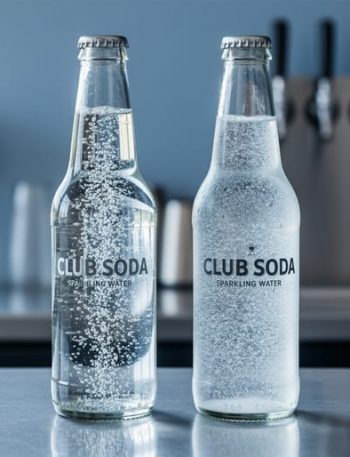
Sparkling water is simply water infused with carbon dioxide, sometimes with natural flavors added. Club soda contains added minerals like sodium bicarbonate or potassium sulfate, giving it a slightly salty taste that makes it popular for cocktails. Tonic water includes quinine and sweeteners, creating that distinctive bitter-sweet flavor. For craft beer enthusiasts who appreciate clean flavors, sparkling water offers the effervescence without competing ingredients.
Carbonation Levels Compared to Beer
Bubble sparkling water typically contains 3.5 to 4.0 volumes of CO2, notably higher than most craft beers, which range from 2.2 to 2.7 volumes. This aggressive carbonation delivers that sharp, refreshing bite that makes it effective for palate cleansing between beer flights. The carbonation dissipates faster than beer’s more stable foam structure, so drinking it fresh matters.
Are Bubly’s flavors natural or artificial?
Bubly uses natural flavors derived from fruit essences, with no artificial sweeteners, calories, or sodium, similar to how craft brewers prioritize recognizable ingredients over additives.
How should I store opened cans?
Once opened, drink sparkling water within a few hours for optimal carbonation. Transferred to an airtight container, it’ll hold bubbles for up to 24 hours in the refrigerator, though it won’t match the initial effervescence.
Can I use sparkling water in brewing or cocktails?
Absolutely. Many brewers use it to create beer cocktails like shandies, and the flavored varieties pair brilliantly with hoppy IPAs for sessionable summer drinks.
Identifying Quality Products
Look for USA-made production, short ingredient lists (water, CO2, natural flavors), and cans over plastic bottles for better carbonation retention. Quality sparkling water should taste clean with no chemical aftertaste, much like evaluating water quality for homebrewing. If you’re mindful about beer calories and nutrition, sparkling water offers a zero-calorie alternative that doesn’t compromise on flavor experience.
The craft beverage movement has always been about more than what’s in the glass. It’s about the stories behind production, the dedication to quality ingredients, and the community that gathers around shared appreciation for something made with care. Bubble sparkling water fits naturally into this philosophy. When you choose a thoughtfully crafted sparkling water, one made in the USA with attention to natural flavors and clean carbonation, you’re extending the same values that draw you to your favorite local brewery.
Just as you’ve learned to appreciate the nuances between hop varieties or the subtle differences a yeast strain makes, exploring quality sparkling water opens another dimension of flavor awareness. The ritual of trying new varieties, noticing how different carbonation levels feel on your palate, and discovering which flavors best complement your beer selections all mirror the exploratory spirit that defines craft culture.
We’d love to hear how you’re incorporating sparkling water into your craft beverage experiences. Are you using it as a palate cleanser during tastings? Pairing specific flavors with certain beer styles? Creating your own brewing-inspired refreshments? Share your discoveries with fellow enthusiasts at your local taproom or online communities. The craft movement thrives when we exchange ideas and support artisan producers across all beverage categories. Your next great pairing might just involve bubbles of a different kind.