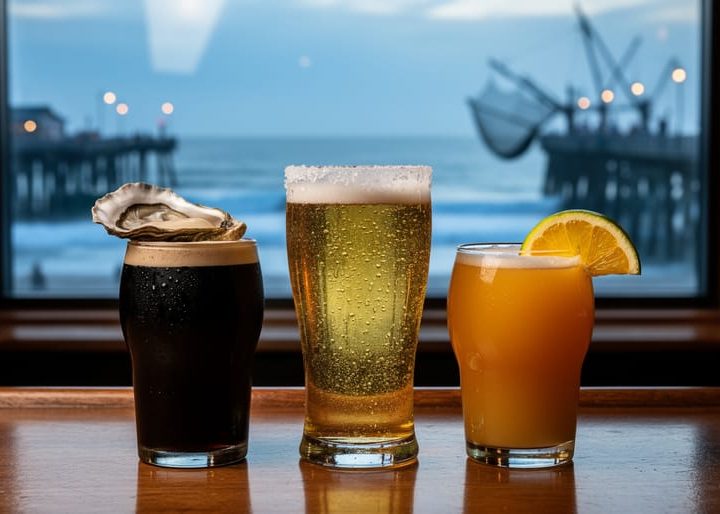
Local drink culture is the set of beverage traditions, ingredient preferences, and drinking customs that define a region’s identity and directly shape the character, menu offerings, and community role of its coastal bars. When a seaside town has deep fishing heritage, you’ll find oyster stouts and salt-spritzed lagers on tap. Where surf culture runs strong, bars pour tropical IPAs and afternoon session ales designed for post-wave gatherings.
The relationship works both ways. Regional ingredients and drinking rituals give coastal bars their distinct personality, while those bars become the storytellers and curators who keep local beverage traditions alive. A bar in a historic whaling port might partner with a nearby distillery to craft rum aged in repurposed oak, honoring centuries of maritime trade. A brewpub on Queensland’s Gold Coast could showcase native botanicals like finger lime and lemon myrtle in its house lagers, connecting drinkers to the landscape just beyond the sand.
This connection between place and pour matters more than ever in 2026, as travelers seek authentic experiences rooted in community rather than cookie-cutter venues. Industry professionals recognize that bars reflecting genuine regional character attract loyal locals and curious visitors alike. Understanding how drink culture shapes coastal scenes helps you identify establishments worth visiting, reveals what makes a destination’s beverage offerings unique, and offers inspiration for brewers and bar owners building their own place-based programs.
This article breaks down the mechanics of that cultural exchange, explores the different types of coastal bars shaped by local traditions, and shows how breweries and distilleries collaborate with venues to celebrate regional identity. Whether you’re planning a coastal brewery crawl or searching for a cocktail bar in Burleigh Heads that captures the spirit of its surroundings, you’ll discover how geography, history, and community converge in every glass.
What Coastal Bar Culture Means
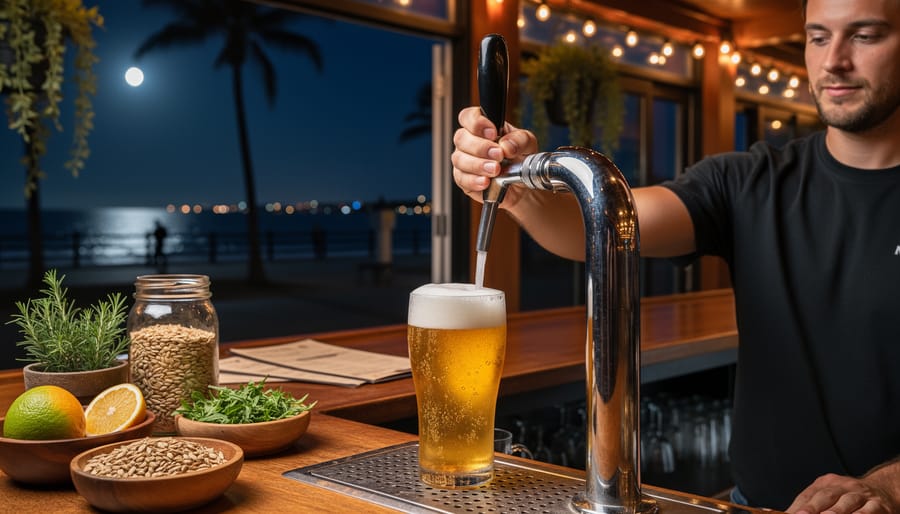
Coastal bar culture is the drinking environment and social ecosystem that develops in seaside towns, shaped by the ocean’s proximity, the community’s maritime heritage, and the local beverages that tell the story of a place. These establishments are more than venues serving drinks, they’re gathering spaces where geography meets glass, where the rhythms of tide, weather, and fishing season influence what flows from the tap and who gathers at the bar.
Unlike inland watering holes, coastal bars draw their identity from their setting. The salt air, fishing docks, and beach access aren’t just backdrop, they’re ingredients in the experience. A proper coastal bar reflects its location in every detail: the local IPA brewed with sea salt collected from nearby tide pools, the cocktail garnished with citrus from a grower down the highway, the oysters paired with a crisp lager from the brewery two blocks inland. This is drink culture rooted in terroir, where beverages taste distinctly of their origin.
- Coastal bar culture
- The distinctive drinking customs, atmospheres, and social traditions that emerge in seaside communities, influenced by maritime heritage and proximity to the ocean.
- Local drink culture
- The regional brewing, distilling, and cocktail traditions specific to an area, shaped by available ingredients, community preferences, and local beverage makers.
- Terroir
- The environmental factors, climate, soil, water, geography, that give beverages their unique characteristics and sense of place.
- Regional brewing traditions
- The distinct beer styles, brewing techniques, and ingredient choices that develop within a specific geographic area over time.
Several elements distinguish coastal bars from their inland counterparts. There’s an inherent casualness born from beach proximity, sand-friendly floors, open-air seating, a tolerance for sunburned patrons in flip-flops. The beverage program typically emphasizes refreshment and sessionability: lower-alcohol lagers you can drink through an afternoon, tart goses that cut through humidity, cocktails built for sipping on a deck overlooking the water.
Community identity runs deeper in coastal bars because these towns are often smaller, more isolated, and bound by shared connection to the sea. Fishing crews, surf instructors, marina workers, and seasonal visitors converge at the same stools, creating a social fabric woven through local drinks and the stories behind them.
How Local Drink Culture Shapes the Coastal Bar Scene
The Role of Regional Ingredients and Terroir
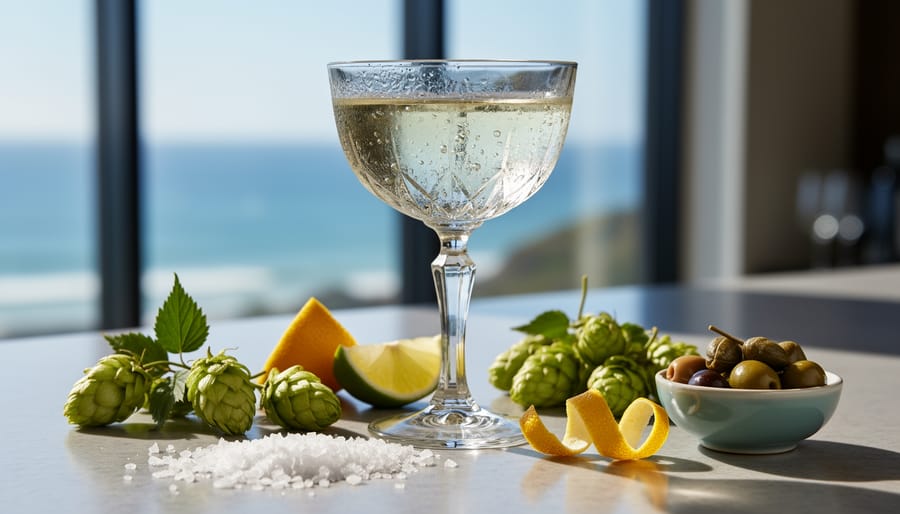
Coastal environments don’t just provide a backdrop for bars, they supply the raw materials that give local drinks their distinct character. Salt air, maritime climate, and proximity to the ocean create growing conditions you won’t find inland, and brewers, distillers, and bartenders mine these advantages relentlessly. The beer key ingredients take on regional signatures when hops varieties thrive in coastal fog, when water chemistry reflects mineral-rich aquifers, and when citrus orchards flourish in temperate microclimates just miles from the shore.
Sea salt harvested from local tidal flats becomes a finishing touch in goses and cocktail rims, carrying trace minerals that tell a story of place. Some breweries incorporate oyster shells used to filter beer adding subtle brininess and a direct link to the region’s seafood heritage. Bartenders muddle Meyer lemons from nearby groves, steep coastal botanicals like wild fennel or sea beans, and collaborate with distillers who use brackish water or kelp in experimental gins.
This ingredient-driven approach creates beverages that can’t be replicated elsewhere. A coastal IPA tastes different when the hops absorb marine influence during growth, when the water profile mimics the salinity of ocean spray, and when the brewer’s philosophy centers on what grows within ten miles. Bars that champion these hyper-local ingredients don’t just pour drinks, they bottle geography, turning each glass into a liquid snapshot of the coast.
Brewery-Bar Partnerships and Tap Room Culture
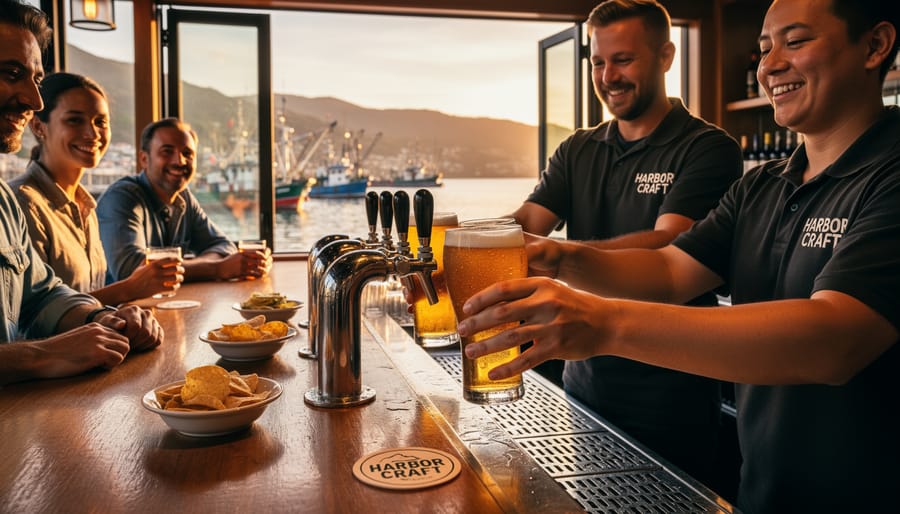
Coastal craft breweries and local bars have forged partnerships that go far beyond simple supplier-customer relationships. These collaborations create ecosystems where both parties thrive, with breweries gaining dedicated venues for their newest creations and bars securing distinctive offerings that set them apart.
Exclusive releases form the backbone of these partnerships. Breweries often reserve limited-run beers, barrel-aged stouts, experimental hop blends, or seasonal specialties, for select local bars that understand and champion their vision. This arrangement gives bars bragging rights and loyal customers who return specifically for these rare pours. The brewery benefits from immediate, valuable feedback from knowledgeable regulars before committing to larger production runs.
Collaboration brews take this symbiosis further. A bartender might suggest a flavor profile inspired by a signature cocktail, which the brewer then interprets through their craft. These joint projects blend the creativity of both worlds, often resulting in beers you can’t find anywhere else and deepening the connection between maker and pourer.
Meanwhile, brewery tap rooms have evolved into gathering spaces that rival traditional bars. They offer something pubs can’t match: direct access to brewers, tours of the production floor, and beers served within feet of the tanks where they were made. These spaces blur the line between bar and brewery, creating community hubs where the story behind each glass is literally steps away.
Maritime Heritage and Drinking Traditions
Coastal bars carry the weight of maritime history in every pour. In fishing ports from Nova Scotia to British Columbia, you’ll find beers that echo the provisions sailors once relied on, high-gravity ales that kept on long voyages, porter styles that fueled dock workers, and the hearty lagers fishermen reached for after dawn hauls. This connection runs deep in Canadian beer history where coastal breweries built their reputations serving maritime communities.
The rituals persist. Many waterfront bars still observe the “first boat in” tradition, offering a round to crews returning from overnight trips. Bartenders learn to read the tides and fishing seasons, adjusting their tap lists to match the rhythm of harbor life. When the fleet’s out, lighter session beers dominate; homecoming nights call for celebratory IPAs and barrel-aged specials. These patterns aren’t marketing, they’re genuine cultural responses to the cadence of coastal work.
Types of Coastal Bar Experiences Shaped by Local Drinks
The Craft Beer Coastal Pub
The craft beer coastal pub anchors itself in hyperlocal brewing partnerships, typically dedicating 75-90% of its tap lines to breweries within a fifty-mile radius. These establishments function as unofficial ambassadors for regional brewing, rotating their draft selections weekly to showcase seasonal releases, experimental batches, and collaboration brews created specifically for their bar. The menu reflects this beer-first philosophy: lighter fare like fish tacos, oysters, and grilled catches are designed to complement rather than overpower hoppy IPAs and crisp pilsners.
What sets these pubs apart is their role as community living rooms. Regulars know the bartenders by name, track which brewery is releasing what, and gather for weekly cask tappings or meet-the-brewer nights. The physical space often displays brewery swag, local surf photography, and chalkboards announcing fresh arrivals, creating an atmosphere that celebrates both the ocean setting and the craft behind each pour.
The Nautical Cocktail Bar
The nautical cocktail bar trades beer taps for muddlers and shakers, building its identity around spirits that capture coastal character. These establishments work with regional distilleries producing gin infused with coastal botanicals, juniper grown in salt air, kelp, sea lavender, or rum aged in barrels that once held local wine. Bartenders incorporate fresh citrus from nearby groves, house-made shrubs using beach plums or wild rose hips, and garnishes of samphire or edible flowers that grow along the shore.
The cocktails themselves tell maritime stories. A drink named for a historic shipwreck might feature navy-strength gin and brine. Another celebrates the fishing fleet with mezcal, smoked salt, and citrus that mirrors a sunset over the water. These bars treat the cocktail menu as a liquid history lesson, connecting guests to regional distilling traditions, local foraging culture, and the flavors that define their stretch of coast. The atmosphere leans intimate and refined, with nautical design elements that feel curated rather than kitschy.
The Waterfront Brewery Tap Room
The waterfront brewery tap room occupies a unique position in coastal bar culture, it’s where production meets consumption, and the barrier between brewer and drinker dissolves entirely. These brewery-owned spaces let you order a hazy IPA brewed just feet from your table, often with a clear view of the tanks and kettles that produced it. The freshness advantage is real: beer served within days of packaging, sometimes straight from bright tanks before it ever sees a bottle.
What sets coastal tap rooms apart is their role as storytelling venues. Brewers circulate through the room, explaining why they chose those local hops or how the sea air influences fermentation. Limited releases debut here first, rewarding regulars with access to experimental batches and barrel-aged rarities unavailable elsewhere. Many coastal breweries design their tap rooms to maximize water views, creating spaces where the environment that inspires the beer becomes part of the drinking experience, sunset pours overlooking the harbor that supplies the oyster shells they use for water filtration, the salt marsh visible through floor-to-ceiling windows.
The Oyster Bar and Raw Bar
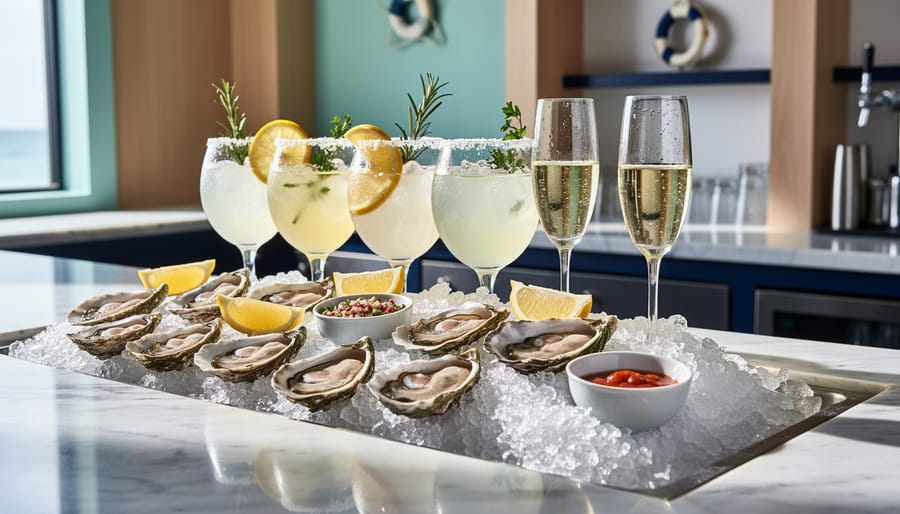
Seafood-focused venues where local wines, crisp lagers, and brine-friendly beverages complement fresh catches, these are the temples of ocean-to-glass philosophy. The drink program at an oyster bar isn’t an afterthought; it’s calibrated to the salinity and minerality of what’s on ice. You’ll find coastal breweries crafting pilsners specifically to cut through rich oyster fat, winemakers working with varietals that echo the briny terroir, and bartenders building mignonettes that incorporate local vermouth or cucumber-infused vodka.
The best raw bars treat their beverage list like a tide chart, rotating selections as harvests change. A Muscadet from down the coast pairs differently with Blue Points than with Kumamotos, and the staff knows why. Regional ciders made with heirloom apples, saison-style farmhouse ales, and even kombucha brewed with local seaweed have found homes here. The drinks don’t just accompany the seafood, they complete the story of place, connecting what the ocean provides with what nearby makers transform.
The Beach Shack and Tiki Bar
The beach shack thrives on simplicity and refreshment, where sand-crusted flip-flops feel more appropriate than polished shoes. These casual coastal havens pour easy-drinking pilsners and blonde ales from nearby breweries, crisp, light-bodied beers that pair perfectly with sunshine and salt air. Many craft their own tiki-style cocktails using local rum distilleries and regional citrus, creating drinks that honor tropical traditions while showcasing coastal ingredients.
Frozen piña coladas get upgraded with small-batch coconut rum, margaritas feature locally harvested sea salt, and mai tais incorporate honey from coastal apiaries. The atmosphere values laid-back conviviality over craft precision. You’ll find communal picnic tables, reggae playlists, and bartenders who know regulars by their usual order. These spots often feature local bands, cornhole tournaments, and sunset celebrations that blur the line between bar and beach party, creating gathering spaces where coastal lifestyle and drinking culture become inseparable.
How Coastal Bars Use Local Drink Culture
Menu Curation and Storytelling
Menu curation in coastal bars goes far beyond listing what’s on tap. The best establishments treat their beverage programs as narratives that connect drinkers to the coastline outside their windows.
Tap lists often organize local offerings by proximity, breweries within walking distance featured prominently, then regional producers radiating outward. Some bars display maps showing exactly where each beer originates, turning a simple drink order into geography lesson. Seasonal rotations mirror what’s happening in nearby breweries: fresh-hop ales in September, oyster stouts in winter months when bivalves are at their peak.
Cocktail menus follow similar storytelling principles. Rather than generic descriptions, well-crafted programs explain provenance: the gin made with coastal botanicals foraged three miles north, the citrus from a specific grove, the sea salt harvested by a named artisan. These details transform a cocktail into a liquid portrait of place.
Staff training amplifies this approach. Bartenders who can share the story behind a local IPA, the brewer’s inspiration, the unusual hop variety, why it pairs perfectly with grilled fish, turn transactions into conversations. They become ambassadors for regional producers, helping visitors understand what makes coastal drinking culture distinct while deepening locals’ appreciation for what’s being created in their backyard.
Community Events and Collaboration
Coastal bars cement their role as community anchors by hosting events that bring producers and drinkers together. Brewery tap takeovers transform a single evening into a storytelling session, brewers pour limited releases, explain their process, and answer questions while patrons taste through a curated flight. These nights build loyalty to both the brewery and the bar that champions local makers.
Distillery dinners pair coastal spirits with regional seafood, creating memorable experiences that justify premium pricing while educating guests about botanical sourcing and barrel aging. Homebrewer meetups turn bars into classrooms where amateurs share recipes and pros offer feedback, strengthening the entire brewing community.
Seasonal release parties for highly anticipated beers generate excitement that extends beyond the event itself. A summer saison launch or winter imperial stout debut becomes a tradition patrons anticipate annually, driving repeat visits and word-of-mouth marketing. The bar benefits from increased traffic, breweries gain direct consumer feedback, and attendees feel like insiders participating in something exclusive to their coastal community. This collaborative approach transforms transactions into relationships, ensuring the bar remains central to local drink culture rather than just a point of sale.
Supporting Local Sustainability
Coastal bars committed to local drink culture often view sustainability as both environmental responsibility and community investment. By prioritizing regional breweries and distilleries within a 100-mile radius, these establishments slash carbon emissions from distribution while reinforcing the beer economic impact on their local economy, keeping revenue circulating among nearby producers, farmers, and service providers rather than flowing to distant conglomerates.
Many bars participate in ingredient-sharing networks where spent grain from partner breweries feeds local livestock, oyster shells enhance water filtration systems, and citrus peels return to coastal farms as compost. Some coastal establishments work directly with hop growers and maltsters in their region, creating closed-loop systems that benefit estuaries and watersheds. Waterfront bars in fishing communities coordinate with commercial boats to source ultra-fresh seafood while featuring wines and beers from vineyards and breweries practicing regenerative agriculture.
This hyperlocal approach extends to glassware choices, with bars selecting regional suppliers, and energy decisions, with solar panels powering tap systems. The result transcends mere environmental benefit, it creates authentic coastal identity rooted in place, season, and the people who harvest, craft, and pour.
Behind the Bar: Stories from Coastal Beverage Makers
Sarah Chen opened Salt Point Brewing in a converted boathouse on Maine’s rocky coast in 2019, and from day one she knew the ocean would be her brewing partner. “We use local sea salt in our oyster stout and kelp from the harbor in our coastal pale ale,” she explains. “People taste the place in every pint.” Her tap room doubles as a community gathering spot where fishermen share tables with summer visitors, united by beers that couldn’t exist anywhere else. The brewery’s location dictates more than ingredients, the salt air influences fermentation temperature management, and Chen times releases around fishing seasons when regulars are most likely to be in port.
Three hundred miles south in Cape May, New Jersey, former yacht captain Marcus Webb turned his sailing expertise into Spindrift Distillery. He sources botanicals from barrier island foragers and uses desalinated ocean water in his gin production. “The maritime climate affects how our spirits age,” Webb notes. “Barrels breathe differently here than inland, more humidity, constant temperature flux from sea breezes.” His partnership with a dozen local bars means his gins appear in house cocktails that reference nautical history, from rum-runner era recipes to modern interpretations using beach plum and sea rocket.
The relationship works both ways. Jenna Martinez runs The Tide House, a cocktail bar in Charleston where she showcases six South Carolina coastal distilleries and eight regional breweries. “We’re storytellers,” she says. “Every drink connects guests to a maker within fifty miles.” Her staff visits production facilities quarterly, learning fermentation techniques and ingredient sourcing stories they share with curious patrons. When a local brewery experiments with a new hop variety, Martinez hosts the tasting event. When her bartenders wonder about nutritional content, they consult resources like the beer calories FAQ to give accurate answers.
These makers share a common thread: place isn’t just inspiration, it’s the foundation. Their businesses thrive because coastal communities crave authenticity, drinks that taste like home, bars that feel like gathering places for people who understand the rhythms of tides and seasons. The ocean isn’t backdrop; it’s collaborator, influencer, and identity.
Common Questions About Coastal Bar Culture
What makes coastal craft beer different from inland brews?
Coastal breweries often incorporate maritime ingredients like sea salt, local citrus, and oyster shells for filtration, creating minerality and brightness that reflect their environment. The brewing water itself, influenced by coastal aquifers, can impart subtle salinity that shapes flavor profiles distinct from landlocked regions.
How can I find the most authentic local bars when visiting a coastal town?
Look for establishments pouring primarily regional craft beers and spirits, where staff can tell you stories about the breweries and distilleries behind each drink. Genuine coastal bars often feature rotating taps from nearby producers, host collaboration events with local makers, and attract a mixed crowd of locals and informed travelers rather than exclusively tourists.
Why do coastal bars emphasize local drinks over big-name brands?
Local beverage programs help coastal bars differentiate themselves, build community identity, and support the regional economy that sustains their towns year-round. Featuring nearby breweries and distilleries creates authentic storytelling opportunities and fosters partnerships that strengthen the social fabric beyond tourist season.
What’s the connection between sustainability and coastal bar culture?
Coastal communities often have heightened awareness of environmental health because their economies depend on clean oceans and thriving ecosystems. Bars sourcing local beverages reduce transportation emissions, support producers using regional ingredients, and participate in waste reduction efforts like spent grain programs with nearby farms, practices that protect the coastal environment central to their identity.
These questions reflect what both newcomers and craft beer enthusiasts want to know when exploring coastal bar scenes. Understanding the environmental factors that shape coastal brewing helps you appreciate why a Maine IPA tastes different from one brewed in San Diego, even when similar hops are used. The ocean’s influence extends beyond ingredients to the entire philosophy of how coastal bars operate.
When you walk into a coastal bar and see a chalkboard listing five local breweries you’ve never heard of, that’s intentional curation. Bartenders in these establishments become ambassadors for regional makers, able to explain why the local kolsch uses water from a specific aquifer or how a nearby distillery flavors rum with botanicals foraged from dunes. This knowledge-sharing transforms drinking from passive consumption into cultural education, connecting you to the landscape and the people who interpret it through beverages.
Coastal bar culture thrives where geography, craftsmanship, and community converge around a pint glass. The bars that define seaside towns aren’t simply serving drinks, they’re preserving stories, celebrating local ingredients, and creating gathering spaces where maritime heritage meets modern brewing innovation. When a coastal pub pours a farmhouse ale brewed with local oyster shells, or a waterfront tap room serves a collaboration IPA made with citrus from the next town over, they’re reinforcing the threads that connect place to flavor, maker to drinker, and neighbors to one another.
Supporting these establishments means more than enjoying a well-crafted beverage. You’re participating in a regional economy that values sustainability, honors tradition, and invests in the people who make coastal communities distinctive. Every visit to a brewery tap room, every local lager ordered over a mass-market alternative, every conversation with a bartender about the brewing process strengthens this network.
Next time you find yourself in a coastal town, skip the chain establishments. Seek out the bars pouring from nearby tanks and taps. Ask about the breweries down the road, the ingredients grown in coastal soil, the collaborations between makers who share the same salt air. These spaces hold the character of their communities in every glass, and they’re counting on drinkers who recognize that authenticity is worth preserving.