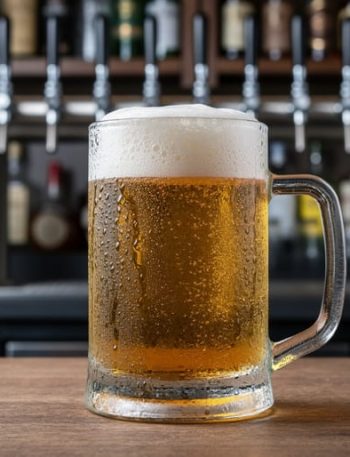
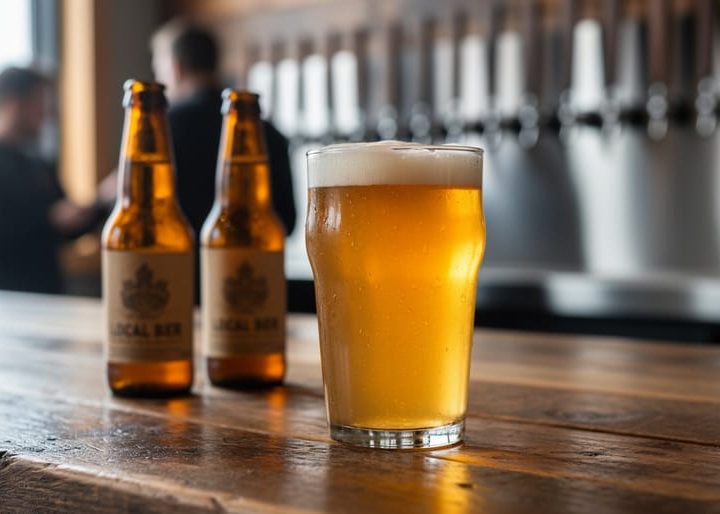
The best local brews are the ones poured within a few miles of where they were made, and right now the most exciting ones in Canada are coming out of small, focused taprooms that do one thing and do it well. Halifax’s North End has a farmhouse project fermenting almost entirely with mixed cultures, built around Nova Scotia grains and orchard fruit. Across the harbour, a tiny lager-only taproom in Dartmouth is already drawing weekend lineups. In Toronto’s east end, you can choose between a hazy-IPA specialist run by former Bellwoods staff and a cask-conditioned English ales pub modeled on a London cellar.
That kind of narrow focus is what makes a brewery worth the trip. A lager-only room can’t hide behind a sprawling tap list, and a mixed-culture farmhouse has to trust time, local fruit, and a bit of patience. You’ll taste the decisions, and you’ll often meet the people who made them.
This guide spotlights four picks, shares what we looked for in choosing them, and separates the practical details from the insider tips. Tap lists and hours shift, so confirm with each brewery before you go.
Why Good Local Brews Are Worth the Trip
Think about the last glass you drank within a few miles of where it was brewed. It likely tasted brighter, cleaner and more alive than something that spent weeks in transit. That’s the first reason local beer earns the trip: freshness. Beer is a perishable food, and shorter journeys from tank to tap protect the hop aroma, the delicate malt notes and the subtle yeast character the brewer worked hard to build.
Then there’s sense of place. When a Halifax farmhouse project ferments with Nova Scotia-grown grains and orchard fruit, you’re tasting the region’s soil and seasons, not just a recipe. Sourcing grain and fruit nearby also shortens supply chains, supports neighbouring farms and trims the miles behind every pint. Many taprooms go a step further with growler fills and returnable packaging, which keeps waste down and gives you a reason to come back.
Behind each glass is a person with a story. Brewers love explaining why they chose a mixed-culture fermentation or a lager-only lineup, and that storytelling turns a drink into a conversation. It’s also why the taproom community feels so welcoming: regulars swap tasting notes, newcomers get pointers, and the room hums like a neighbourhood living room.
None of this happens in a vacuum. Larger commercial breweries helped build the audience that local brewers now delight, by teaching drinkers to care about flavour in the first place. Today’s craft beer trends show that curiosity growing, and broader beer sales trends point to drinkers who value quality and local character alongside the familiar names.
How We Chose These Local Brewery Spotlights
We built this tour around a simple idea: a good local brew starts with a brewer who knows exactly what they’re making and why. So instead of ranking anything, we looked at the kinds of projects shaping the scene right now and asked a few friendly questions of each:
- Brewing focus: does the project commit to a clear style or fermentation approach?
- Ingredient sourcing: is local grain or fruit part of the story?
- Taproom character: does the space feel like a place worth lingering in?
- Community role: does it give neighbors a reason to gather?
Think of these as spotlights, not a leaderboard. We haven’t visited in person for this piece, and nothing here implies a current tap list or what’s pouring today. Releases change quickly, so confirm details with each brewery before you go.
Top Local Picks: Four Taprooms and Brewing Styles Worth Knowing
1. A Mixed-Culture Farmhouse Project in Halifax’s North End
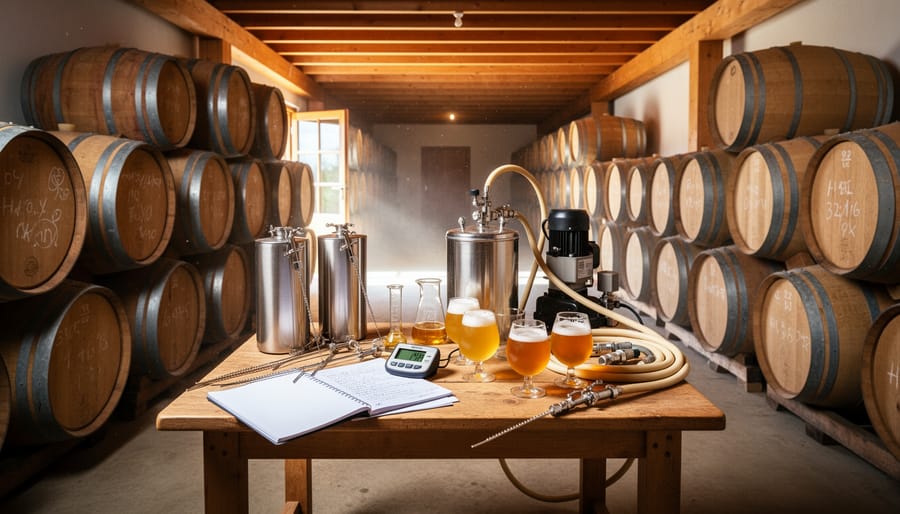
Farmhouse brewing began out in the countryside of Belgium and northern France, where brewers made beer with the grains and fruit that grew around them. These beers were never meant to be fast or uniform. They were shaped by the seasons and by the microbes living in the barn and the barrel. If you want a sense of how that heritage has been interpreted over the years, the story of traditional Belgian saisons is a lovely place to start.
A new farmhouse-focused project in Halifax’s North End carries that spirit forward by fermenting almost exclusively with mixed cultures. It also leans into Nova Scotia-grown grains and orchard fruit, which keeps the whole operation rooted in the surrounding farmland. Buying locally supports nearby growers and shortens the journey from field to fermenter, a quiet sustainability win that tastes like place.
Newer to the lingo? Here’s the short version. A mixed culture means brewers use a blend of yeasts and friendly bacteria rather than a single strain, so flavors keep developing over time. That’s why mixed fermentation rewards patience: the beer can’t be rushed, and the brewer has to trust the process.
Here’s how this pick sits alongside the other spotlights in this guide.
| Pick | Location | Style Focus | What Makes It Distinctive |
|---|---|---|---|
| Mixed-culture farmhouse project | Halifax’s North End | Farmhouse ales | Near-exclusive mixed cultures, Nova Scotia grains and orchard fruit |
| Lager-only taproom | Dartmouth | Lagers | A tiny space already drawing weekend lineups |
| Hazy IPA specialist | Toronto’s east end | Hazy IPAs | Run by former Bellwoods staff |
| Cask-conditioned English ales pub | Toronto’s east end | Cask ales | Modeled after a London cellar |
2. A Lager-Only Taproom in Dartmouth
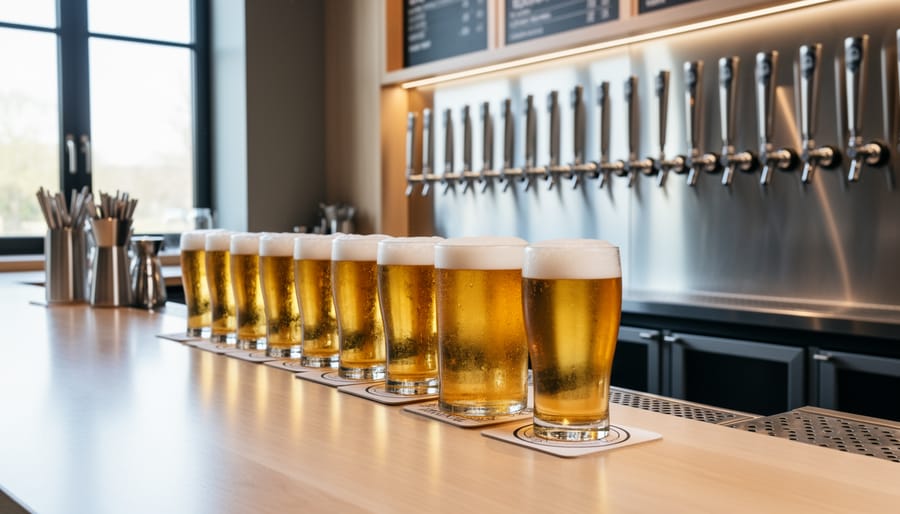
Lagers have a reputation for being simple, and that’s exactly why a lager-only taproom is such a bold move. A tiny spot in Dartmouth has gone all in on the style, and it’s already drawing lineups on weekends. That tells you something good about the appetite for careful, well-made beer in the neighbourhood.
Here’s why it takes real skill. Lagers ferment cool and then rest in cold conditioning for weeks, which smooths out the rough edges and lets the beer settle into itself. There’s no mountain of hops or a pastry-sweet adjunct to cover a misstep. If the water, malt, or fermentation is off, you taste it. A brewer who commits to lagers alone is putting craft on full display, one clean glass at a time.
If you’re newer to the style, slow down and let it surprise you. Notice how crisp and tidy the finish is, and how the malt shows up as something gentle, maybe a little bready or cracker-like, rather than loud. Pay attention to the clarity, the fine carbonation, and how easily the beer invites a second sip. Those quiet details are the whole point.
Ask the staff what they’re pouring and why they chose it. Brewers working this close to the fundamentals tend to love talking about the process. Since I can’t speak to current beers or opening details, check with the taproom directly before you go.
3. A Hazy IPA Specialist in Toronto’s East End
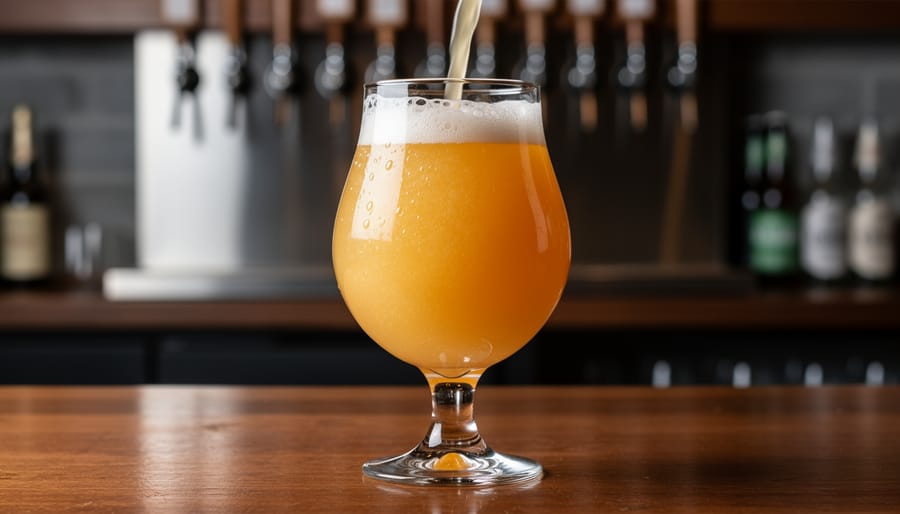
Walk into a hazy IPA specialist in Toronto’s east end and you’re stepping into the work of people who know exactly what they’re doing. The team behind this one is made up of former Bellwoods staff, and that training shows up in how confidently they commit to a single style. It’s a joy to see local talent take what they learned in one respected house and build something with their own fingerprints on it.
Hazy IPA looks simple in the glass, but it’s a technique-heavy beer. Everything starts with hop selection. Brewers chasing juicy, tropical, citrus-forward character lean on varieties and hop timing that favor aroma over bitterness, often adding hops late or during fermentation so the oils stay vivid. Mouthfeel is the next piece. That soft, pillowy body doesn’t happen by accident; it comes from grain bill and yeast choices that build a rounder, fuller texture without tipping into sweetness.
Then there’s oxygen management, the quiet discipline behind the best hazies. Hop aromatics fade fast when oxygen sneaks in, so careful transfers and clean packaging practices keep that fresh-squeezed brightness intact. Get it wrong and a vibrant beer turns dull and muddy within days.
That’s why a specialist menu is such a pleasure to explore. When a brewing team narrows its focus, every decision gets sharper, and experienced hands can tune small variables from batch to batch. Ask the staff about their hop choices and process; they’ll almost certainly love the question.
4. A Cask-Conditioned English Ales Pub in Toronto’s East End
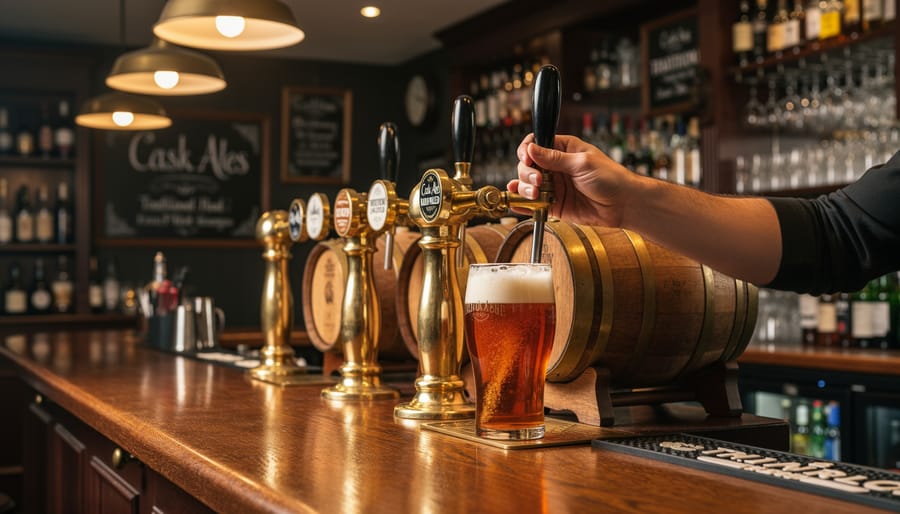
If you want to taste beer the way it was served long before refrigeration and kegs of CO2, Toronto’s east end has a cask-conditioned English ales pub modeled after a London cellar. It is a lovely window into one of the oldest traditions in brewing.
Cask ale is “real ale,” meaning it finishes fermenting in the vessel it’s served from. The beer is racked into the cask with active yeast, and it conditions there, building a soft, natural carbonation rather than the sharp fizz of forced gas. That gentle sparkle lets malt and hop character come through in a rounder, more nuanced way.
Temperature matters just as much. Cask ale is traditionally served from the cellar, cool but not cold, usually somewhere in the low teens Celsius. Ice-cold beer numbs the palate, while cellar temperature lets the subtle flavors open up. Once a cask is tapped, it should be enjoyed within a few days, which keeps the whole operation fresh and rooted in careful, small-scale craft.
The setting carries history too. The British pub grew out of coaching inns and alehouses where neighbors gathered, and the cellar was the heart of the operation. A cellar-inspired room nods to that heritage, where the publican’s skill in tending each cask was as valued as the brewer’s recipe.
Visit with curiosity, ask how the casks are looked after, and you’ll likely find the staff glad to share the craft behind every pull of the handpump.
Practical Information for Planning Your Taproom Visit
A little planning goes a long way when you’re chasing good local brews. Taproom schedules are rarely set in stone, and the same brewery can keep very different hours depending on the day, the season, or whatever event is on the calendar. Holidays and special nights are where the surprises tend to happen.
Two real examples show why it pays to check. Nonsuch Beer said its taproom would be open regular hours on July 1, 2026, from noon to 10, a useful reminder that some places stay open through a holiday while others close or trim their hours. Tox Brewing Co. went the other way with an event that kept its taproom open late, until 10 p.m. on Wednesday, November 25, 2026. One announcement stretched the evening, the other held steady, and you’d only know by asking.
That applies to what’s in the glass, too. Availability, current releases, and which beers are drawing the most attention can shift week to week, so we can’t promise what you’ll find on any given visit. A quick message or a look at the brewery’s own channels will tell you what’s pouring.
It also helps to see your local scene in a bigger picture. The Canada Beer Cup awards gala was held in Calgary on October 8, 2026, a sign of how much national attention small, regional brewers now earn. If you’re timing a trip around a celebration, our guide to Canadian Beer Day is a handy place to start, though hours on those days are worth confirming too.
Local Tips for Getting More Out of Every Pour
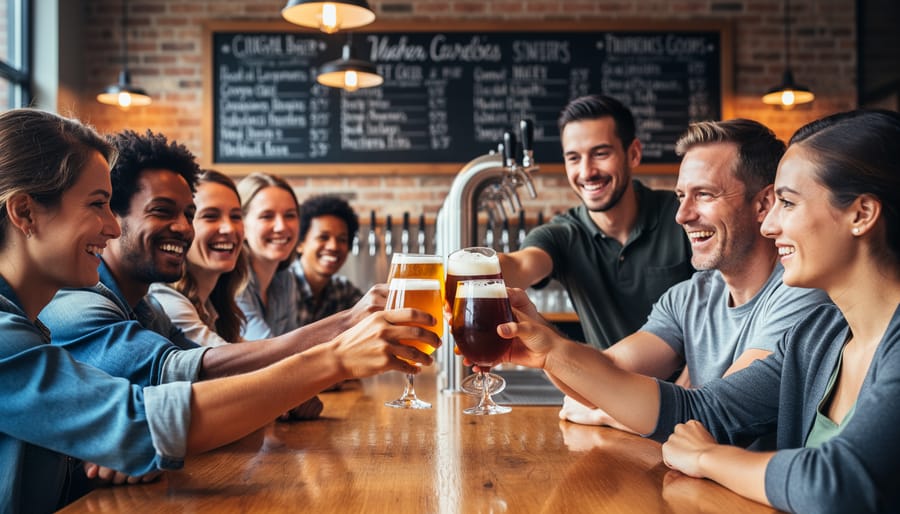
A little curiosity goes a long way once you’re settled at the bar. Think of the taproom as a classroom with better snacks, and the people behind the taps as happy teachers. Here’s how to make the most of each visit:
- Order a flight so you can sample the full range and find your favorite without committing to a full pour.
- Ask the staff about their process; brewers love sharing how a recipe came together.
- Visit at quieter times when there’s room to chat and linger.
- Bring a growler or reusable container where the taproom offers refills, which cuts down on waste.
- Pair your visit with nearby food or other local makers to spread the support around.
Homebrewers, bring a notebook. Jot down aromas, mouthfeel, and anything the brewer mentions about hops, yeast, or fermentation. Those scribbles often turn into the spark for your next batch, and the stories behind each pour make great recipe inspiration.
Frequently Asked Questions About Local Brews
What makes a beer “local”?
Usually it’s brewed close to where you’re drinking it, often with regional grain, hops, or fruit. Many taprooms will happily tell you where their ingredients come from, so just ask.
How do I find new taprooms?
Ask the staff at your favourite spot where they like to drink, and follow local brewery social pages for news. Always confirm hours directly before you go, since schedules change.
Are lagers or farmhouse ales better for beginners?
Lagers are a gentle starting point thanks to their clean, crisp character. Farmhouse ales reward curiosity, so try a small pour once you’re ready for more complexity.
How can I support local brewers?
Visit the taproom, buy a flight or a fill to go, and tell friends about what you tasted. Thoughtful word of mouth means a lot to a small brewery.
Conclusion
Good local brews tell a story: a farmhouse ferment, a patient lager, a hazy IPA, a cask pint. Supporting these artisans keeps that craft thriving. If these spotlights nudge you toward home beer brewing even better. Tell the Craft Brew Collective community about your favorite local breweries.