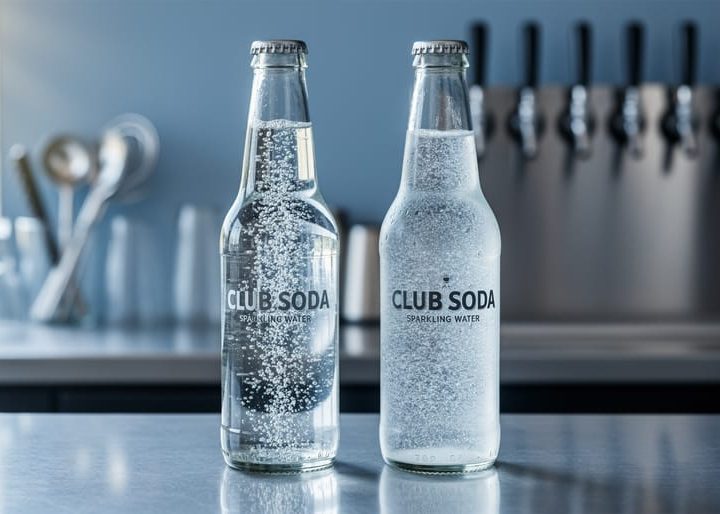
No, club soda and sparkling water aren’t the same, and the difference matters most when you’re crafting cocktails, building a brewery menu, or choosing the right base for your next homebrew experiment. Club soda contains added minerals like potassium bicarbonate and potassium sulfate, plus occasional sodium bicarbonate for taste, while sparkling water is simply natural water infused with carbon dioxide and nothing else.
For craft beverage enthusiasts, this distinction goes beyond semantics. The mineral additions in club soda create a slightly salty, more pronounced flavor profile that can enhance certain beer cocktails and mixed drinks, making it a bartender’s go-to for balancing sweeter spirits. Sparkling water, by contrast, offers a cleaner canvas, pure carbonation without the sodium content or mineral notes that might compete with delicate hop aromatics or subtle barrel-aged flavors you’ve spent months perfecting.
Understanding which fizzy water belongs in your taproom or home bar setup comes down to application. The FDA regulates both as safe carbonated beverages, but their ingredient profiles serve different purposes. Whether you’re designing a spritz to showcase your latest saison or creating a low-ABV refresher for your tasting room, choosing between these two carbonated waters can make or break the final pour.
At a Glance: Club Soda vs. Sparkling Water
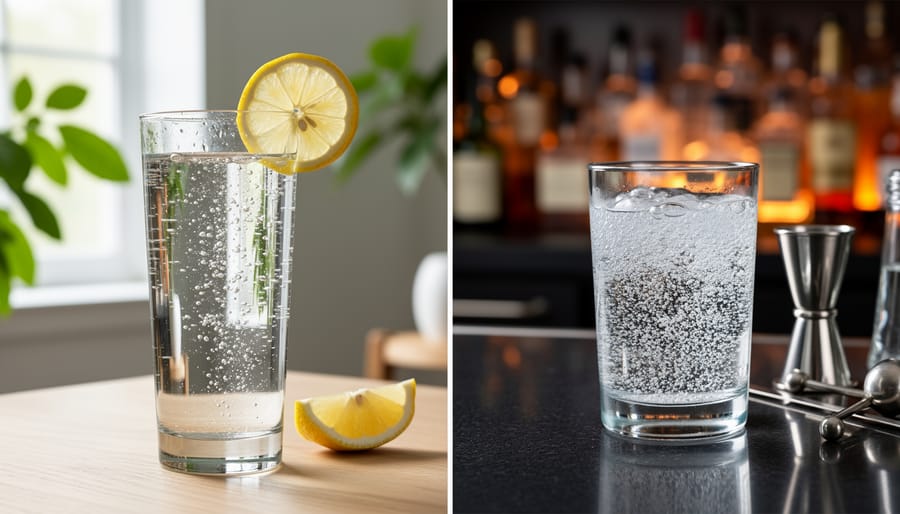
No, they’re not the same. While both deliver that satisfying fizz, club soda packs added minerals that create a subtly salty taste, whereas sparkling water offers pure carbonation with a neutral profile. For brewers and mixologists exploring craft sparkling water options, understanding these differences shapes recipe outcomes and flavor balance.
| Feature | Club Soda | Sparkling Water |
|---|---|---|
| Base Composition | Carbonated water with added minerals | Natural water with gas added |
| Mineral Content | Contains potassium bicarbonate, potassium sulfate, sodium chloride | Minimal to none |
| Taste Profile | Slightly salty or mineral edge | Clean, neutral |
| Sodium Levels | Present due to mineral additions | Typically sodium-free |
| Best Uses | Classic cocktails, mixed drinks needing mineral structure | Palate cleansers, delicate cocktails, recipe testing |
The mineral additions in club soda serve a specific purpose beyond mere carbonation. Those potassium and sodium compounds create a backbone that can enhance certain cocktails or complement hoppy profiles in beer-based mixed drinks. Sparkling water, by contrast, stays out of the way, letting other ingredients shine without introducing competing flavors. This makes it ideal when you’re evaluating malt character during brewing sessions or crafting drinks where purity matters more than complexity.
What Club Soda and Sparkling Water Actually Are
Sparkling Water: Pure Carbonation
Sparkling water is natural water with gas added to it. That’s the complete definition. Unlike its mineral-enhanced cousins, sparkling water contains nothing more than H2O and dissolved carbon dioxide. When you crack open a bottle of sparkling water, you’re getting the simplest form of carbonation without any flavor agents, sodium compounds, or mineral additives complicating the profile.
The production process reflects this simplicity. Manufacturers take purified or spring water and inject it with carbon dioxide gas under pressure. This process creates carbonic acid, which gives the water its characteristic fizz and slightly acidic bite. The carbonated water is CO2 dissolved in water, creating those tiny bubbles that rise to the surface when you pour a glass. No mineral salts enter the equation, no potassium bicarbonate for mouthfeel, no sodium chloride for taste enhancement.
This minimal processing makes sparkling water the closest carbonated option to still water. For craft brewers conducting sensory evaluations or developing recipes where neutral carbonation matters, sparkling water delivers effervescence without introducing variables. The flavor profile remains clean and pure, allowing you to taste hops, malts, or cocktail ingredients without the mineral backdrop that club soda brings to the glass.
Club Soda: Carbonated Water with a Mineral Boost
Club soda starts with the same foundation as sparkling water, carbonated water, but manufacturers add minerals to create a more complex flavor profile. These club soda mineral salts typically include potassium bicarbonate, potassium sulfate, and sodium chloride (table salt), though formulations vary by brand.
The mineral additions serve a specific purpose: they give club soda its characteristic slightly salty, sometimes faintly bitter edge that distinguishes it from plain sparkling water. You’ll notice this subtle minerality most when you taste club soda on its own, though it becomes less pronounced when mixed with other ingredients.
Some producers also add sodium bicarbonate (baking soda) to the mix, which can contribute a touch of alkalinity and further influence the taste. The exact mineral blend differs between manufacturers, which explains why one brand of club soda might taste noticeably different from another even though they’re technically the same product category.
For craft brewers and cocktail enthusiasts, understanding these additions matters. The minerals don’t just change flavor, they add sodium to the beverage, affect how it interacts with other ingredients, and contribute body that pure sparkling water lacks. When a classic cocktail recipe specifies club soda, it’s counting on this mineral backbone to balance and enhance the drink’s structure.
The Key Differences: Breaking Down What Sets Them Apart
Ingredient Composition
Sparkling water starts with a straightforward recipe: water and carbon dioxide. That’s it. The carbonation process pressurizes CO₂ into plain water, creating those crisp bubbles without altering the water’s fundamental composition. You’re working with a blank slate, pure H₂O with fizz.
Club soda takes a different path. While it begins as carbonated water, manufacturers add minerals during production to create a distinctive flavor profile. Common additions include potassium bicarbonate, potassium sulfate, and sodium chloride. Some brands incorporate sodium citrate or disodium phosphate. Occasionally, you’ll find baking soda (sodium bicarbonate) in the mix, which contributes to that characteristic mineral snap.
These ingredient differences matter significantly when you’re building recipes. Just as understanding beer ingredients helps brewers control their final product, knowing what’s in your carbonated water affects cocktail balance and flavor layering. Sparkling water won’t introduce unexpected mineral notes or salinity that might clash with delicate hop aromatics or subtle botanicals. Club soda’s mineral backbone, however, can complement malt-forward profiles or add structure to citrus-heavy mixed drinks. When recipe consistency matters, whether you’re developing a signature cocktail or testing dilution rates, understanding these compositional differences prevents unwanted variables from skewing your results.
Taste and Mouthfeel
The minerals in club soda deliver a perceptible difference the moment it hits your palate. That addition of potassium bicarbonate, potassium sulfate, and sodium chloride creates a faintly salty or mineral-forward taste that some describe as slightly bitter or chalky. It’s subtle but present, adding a layer of complexity that changes how the carbonation interacts with your taste buds.
Sparkling water, by contrast, tastes clean and neutral. The carbonation provides texture and effervescence without introducing competing flavors. When you’re conducting beer tastings or evaluating hop profiles, this neutrality matters. Sparkling water serves as an effective palate cleanser between samples without leaving mineral residue that might skew your perception of the next pour.
In cocktails, these differences become strategic. Club soda’s mineral backbone can complement spirits and balance sweetness in drinks like a Tom Collins or whiskey highball, where that slight salinity enhances rather than obscures. But in delicate botanical gins or fruit-forward mixed drinks, those same minerals can clash or muddy the intended flavor profile.
For brewing applications where you’re mixing carbonated water into experimental beer cocktails or radlers, consider whether mineral notes will harmonize with your malt bill and hop selection or create unwanted interference. The choice shapes the final sip.
Sodium Content and Health Considerations
The sodium difference between these two carbonated beverages matters more than many brewers realize, especially when you’re dialing in water chemistry for specific beer styles or crafting cocktails with precise flavor profiles. Club soda typically contains sodium from added minerals like sodium chloride or sodium bicarbonate, with levels varying by brand but often ranging from 50 to 100 milligrams per serving. Sparkling water, by contrast, is almost always sodium-free since it’s just carbonated pure water without mineral additions.
This distinction carries practical weight for recipe development. If you’re creating a beer cocktail or a mixed drink where you’ve carefully balanced salinity from other ingredients, club soda’s sodium content can push the final product into overly salty territory. For brewers monitoring sodium intake or developing recipes for health-conscious customers, sparkling water offers clean carbonation without the dietary considerations. The FDA ensures that only safe additives in carbonated drinks reach the market, so both options are perfectly safe. The choice comes down to whether that sodium contributes to or detracts from your intended flavor profile.
Labeling and Regulatory Standards
Both club soda and sparkling water face strict regulatory oversight that craft brewers and beverage professionals should understand when sourcing these products. In Canada, prepackaged carbonated water products fall under the Safe Food for Canadians Act and Safe Food for Canadians Regulations, alongside the Food and Drugs Act and Food and Drug Regulations. These frameworks mandate clear ingredient disclosure on labels, which becomes crucial when you need to know exactly what minerals or additives are present in your club soda selection.
The labeling requirements matter particularly for recipe consistency and quality control. When you purchase club soda, the label must disclose added minerals like potassium bicarbonate or sodium chloride, giving you transparency about what’s actually in the bottle. Sparkling water labels, by contrast, typically show just carbonated water as the sole ingredient. In the United States, the FDA regulates these beverages as carbonated soft drinks, ensuring that only approved food additives deemed safe can be used in their production.
For brewers and mixologists developing recipes or conducting ingredient audits, checking labels carefully ensures you’re getting the exact product you need. The regulatory framework guarantees that what’s printed matches what’s inside, but you still need to read those labels to distinguish between the mineral-enhanced profile of club soda and the pure carbonation of sparkling water.
Which One Should You Choose?
Best Uses for Sparkling Water
Sparkling water shines when you need carbonation without any flavor interference. Its pure composition, just water and carbon dioxide, makes it the go-to choice for situations where mineral notes would muddle your intended taste profile.
For beer tasting sessions, sparkling water serves as an ideal palate cleanser between samples. The neutral carbonation refreshes your taste buds without introducing sodium or minerals that could skew your perception of the next beer’s flavor characteristics. This clean slate approach helps you evaluate subtle hop profiles and malt nuances with greater accuracy.
In delicate cocktails where you’re showcasing botanical spirits or fruit-forward flavors, sparkling water lets those ingredients speak for themselves. The absence of added minerals means you’re building flavor intentionally, not working around a salty or bitter baseline that club soda brings to the glass.
Recipe testing represents another prime application for sparkling water. When you’re dialing in home brewing steps or developing a new cocktail formula, sparkling water isolates carbonation as your only variable. This precision matters when you’re documenting recipes for consistency or troubleshooting unexpected flavor developments.
During long brewing sessions, sparkling water also provides simple hydration. The familiar fizz keeps things interesting without the sodium load that accumulates when you’re sipping club soda throughout a multi-hour brew day.
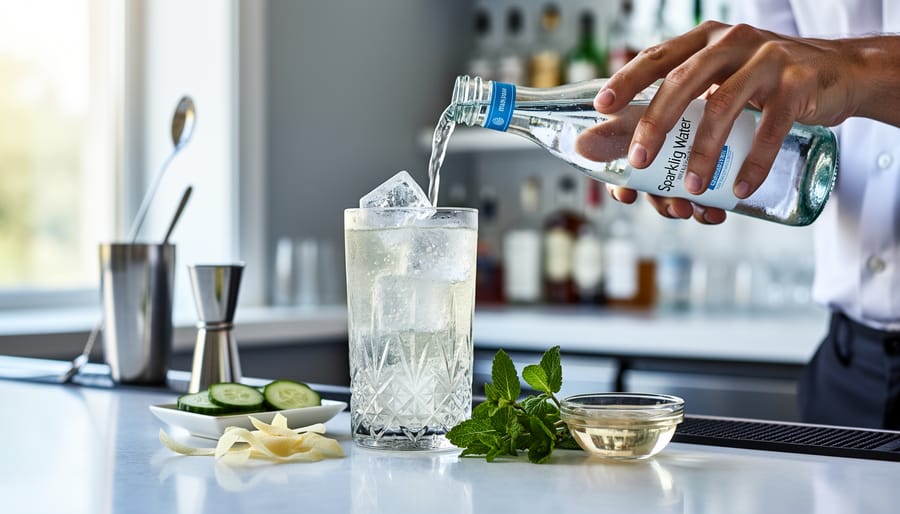
Best Uses for Club Soda
Club soda shines when you want those minerals to do real work in your drink. Classic cocktails like Tom Collins, whiskey highballs, and gin rickeys were built around club soda for good reason, the mineral profile adds a subtle backbone that supports spirits without competing with them. That faint salinity helps bridge flavors, making transitions between sweet, bitter, and botanical notes feel more cohesive.
For craft brewers experimenting with beer cocktails or radlers, club soda’s mineral content can complement malty sweetness or balance hop bitterness in ways that flat carbonation alone won’t achieve. The slight sodium and potassium bicarbonate create a rounder mouthfeel that works particularly well with amber ales, wheat beers, and fruit-forward session IPAs when you’re cutting them for summer drinks.
Behind the bar during tasting events, reach for club soda when you’re building multi-ingredient mixed drinks where structure matters. The minerals act like seasoning, imperceptible on their own but noticeably missed when absent. They help disparate ingredients cohere into a unified whole rather than sitting as separate layers on the palate.
Think of club soda as your structured carbonation option: choose it when the drink benefits from that mineral scaffolding rather than pure neutral fizz.
What Each Option Is
Sparkling water is the simpler of the two: natural water infused with carbon dioxide gas to create carbonation. Nothing more goes into it. You’re getting pure H2O with bubbles, which means the taste stays neutral and clean. This simplicity makes it the closest carbonated option to plain still water.
Club soda starts with the same carbonated water base but adds a deliberate twist. Manufacturers introduce minerals like potassium bicarbonate, potassium sulfate, and sodium chloride during production. Some formulations include baking soda as well. These additions aren’t accidental, they’re designed to create a specific flavor profile that sets club soda apart from plain sparkling water.
The mineral content gives club soda its characteristic slightly salty or mineral-forward taste, while sparkling water maintains that pure, unflavored quality. Think of sparkling water as a blank canvas and club soda as that same canvas with a light wash of mineral complexity already applied. Both deliver refreshing carbonation, but what’s dissolved in that carbonation makes all the difference when you’re building recipes or choosing what fits your palate.
Who Should Choose Which
Choose sparkling water when you need a neutral canvas that won’t interfere with your brewing or mixing work. If you’re conducting beer tastings and want to cleanse your palate between samples without adding minerals that might skew your perception, sparkling water is your best bet. It’s also the right choice for delicate cocktails where you want pure carbonation without any mineral notes competing with subtle botanicals or citrus. Recipe developers testing new beer styles or mixed drinks should reach for sparkling water to isolate carbonation as a single variable, making it easier to track how other ingredients perform. For those monitoring sodium intake, whether for personal health reasons or considering beer and calories in broader dietary planning, sparkling water’s typically zero-sodium profile makes the decision straightforward.
Choose club soda when you’re building classic cocktails that specifically call for it or when you want that subtle mineral backbone to complement malt-forward beers. The slight salinity can enhance certain hop profiles and add structure to shandy-style beer cocktails. If you’re experimenting with carbonated additions to brewing recipes and want minerals to play an active role rather than stay invisible, club soda gives you that complexity.
Club Soda vs Sparkling Water Terms to Know
Understanding the terminology around carbonated waters helps you make informed choices for your brewing and mixing projects. These key terms clarify the distinctions and production methods that matter when you’re sourcing ingredients or explaining your beverage choices to curious customers.
- Carbonation
- The process of dissolving carbon dioxide gas into water under pressure, creating the characteristic bubbles and fizz in sparkling beverages. This can occur naturally in mineral springs or be added mechanically during production.
- Mineral Additives
- Compounds like potassium bicarbonate, potassium sulfate, and sodium chloride added to club soda to enhance flavor and create its distinctive taste profile. These minerals differentiate club soda from plain sparkling water and contribute to its slightly salty or mineral character.
- Natural Sparkling Water
- Water that contains carbonation from its original underground source, as opposed to water that has been carbonated artificially. This category differs from both regular sparkling water and club soda in that the effervescence occurs naturally.
- Potassium Bicarbonate
- A common mineral salt added to club soda that contributes to its characteristic taste and acts as a buffering agent. This compound is one of the primary ingredients that distinguishes club soda from sparkling water.
- FDA Food Additives
- Substances approved by the U.S. Food and Drug Administration for use in carbonated soft drinks after safety evaluation. Only approved additives may be used in commercial production, ensuring consumer safety across all carbonated beverage categories.
When you’re reading labels or discussing these beverages with fellow brewers, these terms provide the foundation for understanding what you’re actually working with. The distinction between naturally occurring carbonation and added carbon dioxide, or between pure sparkling water and mineral-enhanced club soda, influences everything from flavor pairing to recipe development in your brewing projects.
Common Questions About Club Soda and Sparkling Water
Can you swap club soda for sparkling water in a recipe without consequence? The answer depends entirely on what you’re making. In applications where neutral carbonation is the goal, palate cleansers between tastings, delicate cocktails that showcase other ingredients, or recipe testing where you want to isolate flavor variables, substituting club soda for sparkling water will introduce an unwanted mineral edge that can throw off your results. Conversely, if a cocktail specifically calls for club soda’s mineral backbone to add structure or balance sweetness, plain sparkling water will fall flat and leave the drink tasting thin.
Can you substitute club soda for sparkling water in recipes?
You can substitute them in a pinch, but the mineral content in club soda will add a slightly salty or bitter note that sparkling water lacks. For best results, use what the recipe specifies, especially in cocktails where flavor balance matters.
Does carbonation level differ between club soda and sparkling water?
Carbonation intensity varies by brand rather than by type. Both club soda and sparkling water can range from lightly fizzy to aggressively bubbly depending on the manufacturer’s process and how much CO2 they inject.
How do seltzer and tonic water fit into this comparison?
Seltzer is essentially another name for plain sparkling water, just carbonated water with nothing added. Tonic water is a completely different category: carbonated water with added quinine, sweeteners, and flavorings, making it unsuitable as a substitute for either club soda or sparkling water in most applications.
Beyond substitution questions, many brewers and mixologists wonder about flavor variations within each category. Sparkling water brands maintain remarkably consistent neutral profiles since they’re simply water and carbonation, though mineral water, a distinct third category with naturally occurring minerals from the source, will vary based on its geographic origin. Club soda, however, shows more variation between manufacturers because each brand uses its own mineral blend. Some lean heavily on sodium bicarbonate for a more pronounced salty note, while others use potassium-based minerals for a subtler mineral taste. This variance matters when you’re developing recipes: test your preferred brand and stick with it for consistency, rather than assuming all club sodas will perform identically in your applications.
Club soda and sparkling water aren’t interchangeable, and understanding that distinction matters when you’re building recipes or crafting experiences for your customers. Club soda brings minerals and sometimes sodium to the table, creating a flavor backbone that can enhance certain cocktails and complement hoppy or malty profiles. Sparkling water offers pure carbonation, letting other ingredients shine without interference.
For craft brewers and beverage creators, this knowledge isn’t academic trivia. It’s about control. When you’re developing a shandy, testing palate cleansers for tasting flights, or perfecting that signature house cocktail, knowing which carbonated water to reach for gives you one more variable you can intentionally manage rather than leave to chance.
The craft brewing community has always been built on curiosity and precision, on understanding not just what goes into the glass but why it matters. Whether you stick with one option or keep both on hand for different applications, you’re doing what the best brewers do: making informed choices about every ingredient that contributes to the final product. That commitment to understanding the details is what separates good drinks from great ones.